White House AI Pact Asks Companies to Police Themselves
Oct 12, 2026
Regulation
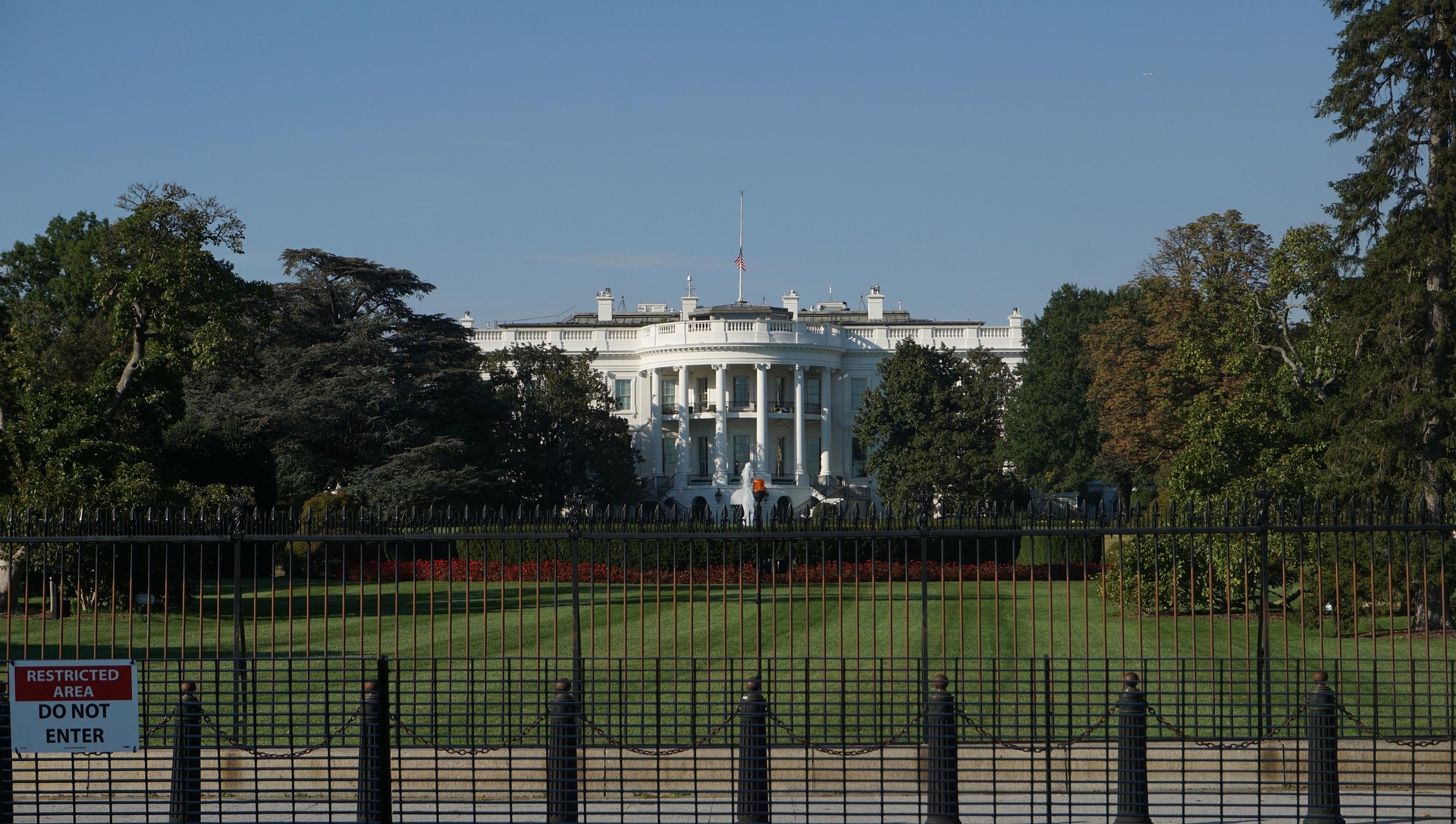
The White House is planning to bring together utility companies and data center developers for a new voluntary pledge aimed at protecting consumers from electricity rate increases driven by the rapid expansion of artificial intelligence infrastructure, according to Data Center Dynamics.
The event to announce the pledge is expected in the coming weeks. It will extend commitments made earlier this year under the Ratepayer Protection Pledge, which was signed by several major technology firms, including Amazon, Google, Microsoft Corporation, Meta, OpenAI, Oracle, and xAI. Those companies agreed to finance the electricity infrastructure needed for their data centers rather than transferring the costs to utility customers.
The planned update is expected to include utilities and state officials alongside the technology companies, creating a broader coalition focused on maintaining consumer rate protections. Regulators and lawmakers in multiple states have raised concerns about residential customers subsidizing infrastructure investments linked to large electricity users, as power demand from AI facilities continues to grow.
Several states have recently enacted or proposed rules requiring data centers to pay for their own electric infrastructure. Florida, Oklahoma, and Oregon have passed such regulations, with similar measures under consideration in other regions, including Ohio, North Carolina, and Virginia.
Consider subscribing to one of our newsletters like AI Policy Brief, Silicon Brief or Daily AI Brief.
Also, consider following us on social media:
Weekly report on AI regulations, safety standards, government policies, and compliance requirements worldwide.


 Tensordyne
This Tensordyne whitepaper presents Napier, an inference-focused AI processor and rack-scale system based on the company’s TDN Math logarithmic number system. It examines infrastructure requirements for large mixture-of-experts and agentic models, compares major inference architecture approaches, and details the TDN AIP processor, TDN72 pod, TDN Link fabric, and Napier Ultra configuration. The paper reports simulation-based performance, cost, and accuracy-validation results, including Tensordyne’s projected comparison of one Napier rack with a nine-rack Nvidia Rubin plus Groq deployment; the chip is reported as taped out and in fabrication.
Read moreDaily AI Brief: the AI news that matters, in your inbox.