Warpify Robotics Raises Pre Series A Funding for Global Expansion
Aug 28, 2026
Robotics
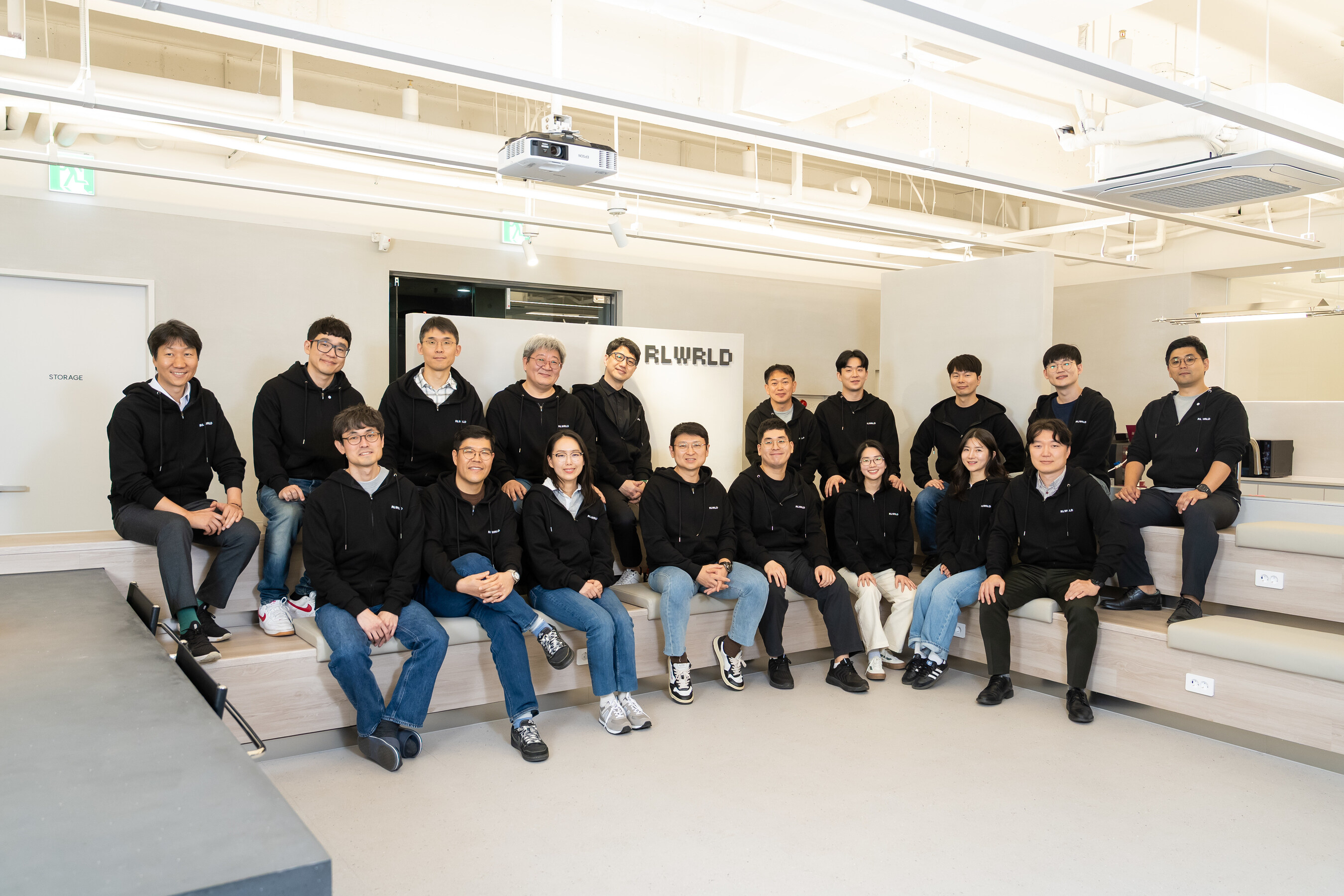
RLWRLD, a South Korean startup, has raised $15 million in seed funding to develop foundational AI models for robotics, announced in a press release. The funding round was led by venture capital firm Hashed, with participation from major industrial players such as LG Electronics and SK Telecom.
RLWRLD aims to enhance robotics capabilities by integrating large language models with traditional robotics software. The company plans to use the funds to conduct proof-of-concept projects with its strategic investors, secure computing infrastructure, and hire top research talent. The startup is also working on developing advanced hand movements for robots, a capability not yet demonstrated by competitors.
The company is collaborating with strategic investors to explore automation of human-centric workflows using its AI model. RLWRLD is preparing a humanoid-based autonomous action demonstration scheduled for later this year and is developing a platform to support various types of robots, including industrial and humanoid models.
Consider subscribing to one of our newsletters like Robotics Brief, AI Funding Brief or Daily AI Brief.
Also, consider following us on social media:
Weekly coverage of AI-driven robotics advances in industrial automation, autonomous vehicles, and robotic systems.


 Tensordyne
This Tensordyne whitepaper presents Napier, an inference-focused AI processor and rack-scale system based on the company’s TDN Math logarithmic number system. It examines infrastructure requirements for large mixture-of-experts and agentic models, compares major inference architecture approaches, and details the TDN AIP processor, TDN72 pod, TDN Link fabric, and Napier Ultra configuration. The paper reports simulation-based performance, cost, and accuracy-validation results, including Tensordyne’s projected comparison of one Napier rack with a nine-rack Nvidia Rubin plus Groq deployment; the chip is reported as taped out and in fabrication.
Read moreDaily AI Brief: the AI news that matters, in your inbox.