Blackbaud Previews AI Admissions Agent for K12 Schools
Jul 17, 2026
AI Agents
BrainFreeze has released new capabilities for its AI Safety Guardrails framework, engineered to support secure and responsible AI use in K-12 education, announced in a press release. The framework aims to protect student data and provide educational institutions with tools to manage AI safely as adoption expands in schools.
The system includes automated personally identifiable information redaction to prevent sensitive data from reaching AI models, as well as role-based and age-appropriate controls that adjust to the developmental stage of the user. Each school district's data is isolated within a multi-tenant architecture to prevent cross-district exposure.
Administrators can configure content filters, alert triggers, and redaction parameters to align with local policies. Oversight dashboards provide real-time monitoring of AI interactions, flagged content, and system activity, giving educators visibility into how AI tools are used across classrooms.
The AI Safety Guardrails framework supports major AI models, including OpenAI, Anthropic, and Google Gemini, and can be deployed across districts without affecting performance. The company offers a free trial and demonstrations for educational leaders interested in implementing the system.
Consider subscribing to one of our newsletters like AI in Education or Daily AI Brief.
Also, consider following us on social media:
Weekly newsletter about AI in education. Covers AI-driven software for educators, schools, general innovations and regulatory updates.

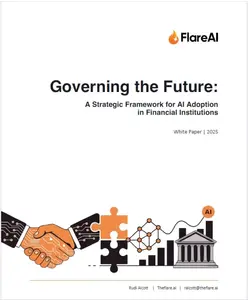
This whitepaper explores the transformative impact of artificial intelligence on the financial industry, focusing on the governance challenges and regulatory demands faced by banks. It provides a strategic framework for AI adoption, emphasizing the importance of a unified AI approach to streamline compliance and reduce operational costs. The document offers actionable insights and expert recommendations for banks with fewer than 2,000 employees to become leaders in compliant, customer-centric AI.
Read more