SDMC Showcases Deployable AI Home Architecture at IBC 2026
Sep 16, 2026
Telcom
San Diego Gas & Electric, Qualcomm Technologies, and University of California San Diego have introduced Edge Alert Sentinel (EAS), a collaboration that applies artificial intelligence at the edge for wildfire and extreme weather response, announced in a press release.
EAS integrates environmental sensors with edge AI computing to deliver real-time analysis of changing conditions directly at the point of risk. The first system is being installed on Mt. Palomar, where it will analyze wind, weather, and environmental data to improve early detection of wildfire behavior and weather impacts.
The platform runs on Qualcomm’s Dragonwing IQ9 processor, which includes a neural processing unit capable of up to 100 trillion operations per second. Using an MLOps platform from Edge Impulse, the system generates on-device forecasts that can be transmitted to SDG&E’s control center through its private cellular network.
The collaboration combines Qualcomm’s on-device AI and connectivity technologies, SDG&E’s operational and grid expertise, and UC San Diego’s atmospheric data and modeling capabilities. Following the initial deployment, the partners plan to expand the system to additional sites in 2027 after evaluating performance during the upcoming Public Safety Power Shutoff season.
Consider subscribing to one of our newsletters like Enterprise AI Brief or Daily AI Brief.
Also, consider following us on social media:
Weekly report on AI business applications, enterprise software releases, automation tools, and industry implementations.

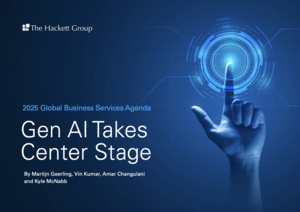
This industry analysis by The Hackett Group explores the transformative impact of generative artificial intelligence (Gen AI) on global business services (GBS) in 2025. The study highlights the shift from exploration to acceleration of Gen AI initiatives, with 89% of executives advancing these projects to improve customer satisfaction, innovate products, and reduce costs. The report also discusses the challenges and strategies for successful Gen AI adoption, emphasizing the need for a technology-enabled operating model and the importance of reskilling the workforce.
Read moreDaily AI Brief: the AI news that matters, in your inbox.