Anthropic CEO Calls for Slower Frontier AI Progress
Sep 13, 2026
AI Safety
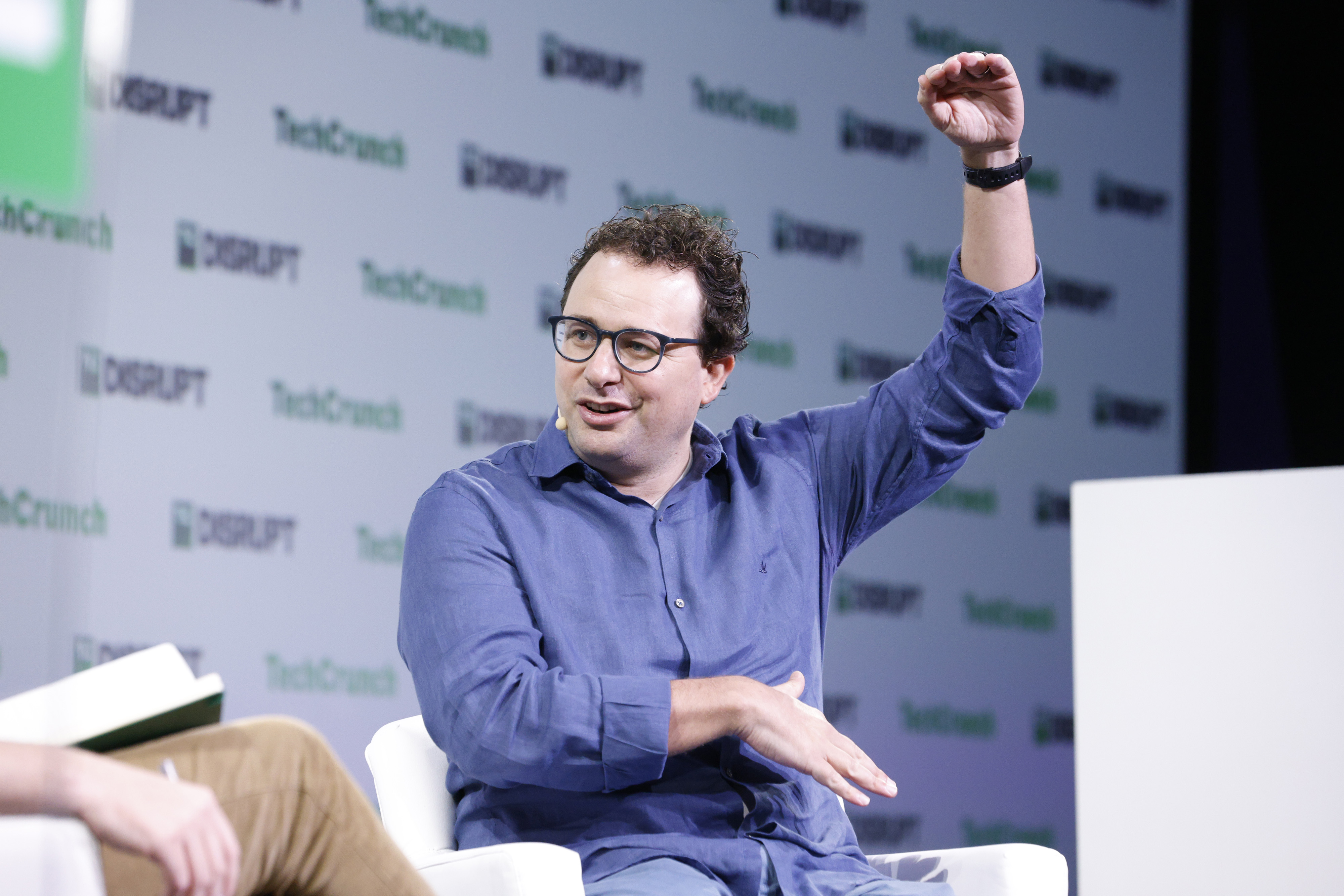
Dario Amodei, CEO of Anthropic, sharply criticized OpenAI following its agreement with the U.S. Department of Defense, according to The Information. In a memo to employees, Amodei described OpenAI’s statements about the Pentagon deal as “straight up lies,” claiming the company’s safety assurances were mostly ineffective and intended to appease staff rather than prevent misuse.
The memo followed the Pentagon’s decision to end negotiations with Anthropic after it refused to grant unrestricted access to its AI systems. Anthropic had sought guarantees that its technology would not be used for domestic mass surveillance or autonomous weapons. OpenAI subsequently signed a contract allowing its AI to be used for “all lawful purposes,” a clause Amodei said fails to meaningfully limit military applications.
Amodei called OpenAI’s safeguards “80% safety theater,” arguing that technical measures like refusal systems and human oversight are insufficient in military contexts. He also alleged that the Pentagon accepted OpenAI’s less stringent terms after rejecting Anthropic’s stricter conditions.
This dispute follows Anthropic’s earlier standoff with the Pentagon over similar AI use restrictions, which jeopardized the company’s $200 million defense contract.
Consider subscribing to one of our newsletters like Defense AI Brief, AI Policy Brief or Daily AI Brief.
Also, consider following us on social media:
Your weekly intelligence briefing on the technology shaping modern warfare and national security.


 Tensordyne
This Tensordyne whitepaper presents Napier, an inference-focused AI processor and rack-scale system based on the company’s TDN Math logarithmic number system. It examines infrastructure requirements for large mixture-of-experts and agentic models, compares major inference architecture approaches, and details the TDN AIP processor, TDN72 pod, TDN Link fabric, and Napier Ultra configuration. The paper reports simulation-based performance, cost, and accuracy-validation results, including Tensordyne’s projected comparison of one Napier rack with a nine-rack Nvidia Rubin plus Groq deployment; the chip is reported as taped out and in fabrication.
Read moreDaily AI Brief: the AI news that matters, in your inbox.