Lam Research Posts Record $8.22 Billion Revenue as AI Chip Demand Rises
Oct 21, 2026
Chips
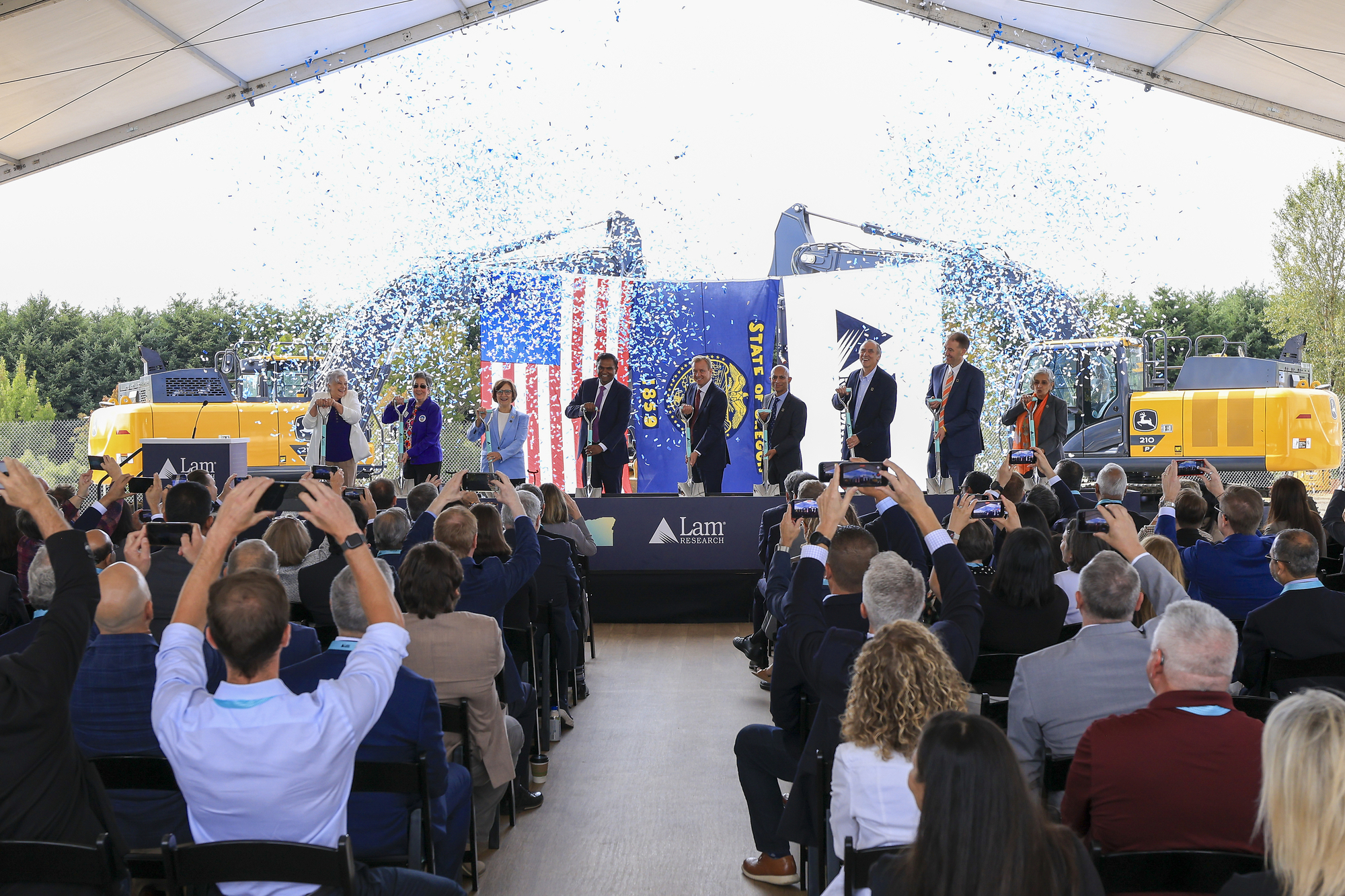
Lam Research Corp has started construction on a 120,000 square foot research and development lab in Tualatin, Oregon, announced in a press release. The facility is part of a planned expansion of Lam's global lab network, with more than $3 billion planned over the next five years.
The new lab is expected to increase cleanroom lab space at Lam's Tualatin research center by more than 50%. The facility is planned to support advanced deposition and etch process work, materials science, and hardware validation.
Lam expects the Oregon lab to open in 2028. During the three year construction period, the expansion is projected to create about 900 jobs and $500 million in economic output. After completion, Lam projects more than 400 new company jobs in Oregon.
Consider subscribing to one of our newsletters like Silicon Brief, Enterprise AI Brief or Daily AI Brief.
Also, consider following us on social media:
Weekly report on AI business applications, enterprise software releases, automation tools, and industry implementations.


This industry analysis by The Hackett Group explores the transformative impact of generative artificial intelligence (Gen AI) on global business services (GBS) in 2025. The study highlights the shift from exploration to acceleration of Gen AI initiatives, with 89% of executives advancing these projects to improve customer satisfaction, innovate products, and reduce costs. The report also discusses the challenges and strategies for successful Gen AI adoption, emphasizing the need for a technology-enabled operating model and the importance of reskilling the workforce.
Read moreDaily AI Brief: the AI news that matters, in your inbox.