Expanse Raises $5.3 Million for AI Compute Planning Software
Sep 17, 2026
Data Centers
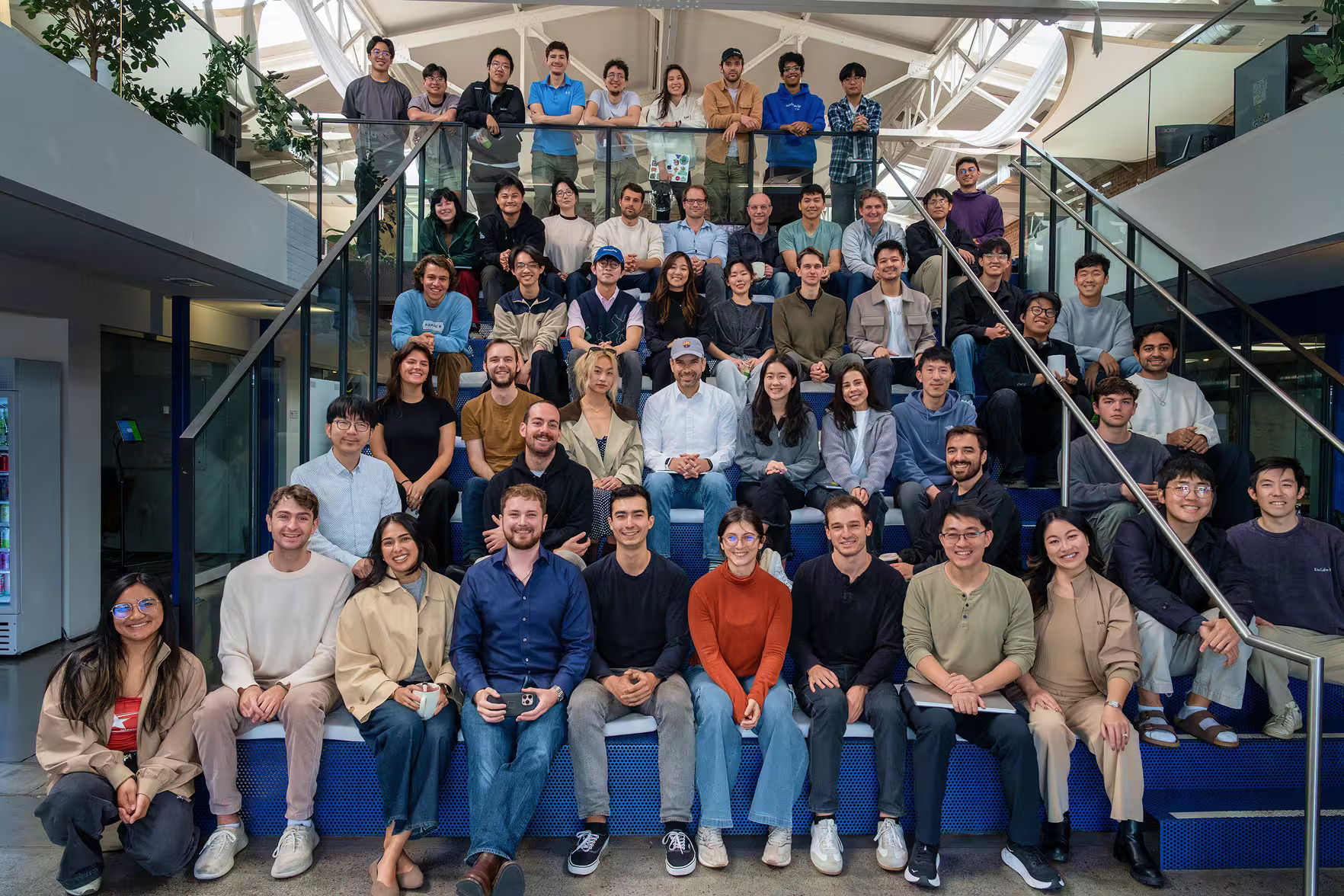
Exa Labs Inc. has raised 250 million dollars in a Series C funding round at a 2.2 billion dollar valuation, led by Andreessen Horowitz (a16z), announced in a company blog post. The company plans to expand its search infrastructure and train new model classes to support the growing demand for AI agent web search.
Exa provides search capabilities for AI tools and applications used by developers and companies such as Cursor, Cognition, HubSpot, OpenRouter, and Monday.com. Its API enables AI agents to perform comprehensive searches across different verticals, including code and business data, with sub-200 millisecond latency.
The company operates a web scale search engine indexing over 500 billion URLs and has developed specialized embedding models for technical and code search. Recent hires include engineers and researchers from Meta, Yandex, and Google to strengthen its retrieval and search backend teams.
Exa stated that the new funding will be used to scale infrastructure to handle hundreds of thousands of searches per second and to expand its sales and marketing operations globally. Marcus Holm, previously President at LaunchDarkly, has joined as Chief Revenue Officer to lead the company’s global sales organization.
Consider subscribing to one of our newsletters like Enterprise AI Brief, AI Funding Brief or Daily AI Brief.
Also, consider following us on social media:


 Tensordyne
This Tensordyne whitepaper presents Napier, an inference-focused AI processor and rack-scale system based on the company’s TDN Math logarithmic number system. It examines infrastructure requirements for large mixture-of-experts and agentic models, compares major inference architecture approaches, and details the TDN AIP processor, TDN72 pod, TDN Link fabric, and Napier Ultra configuration. The paper reports simulation-based performance, cost, and accuracy-validation results, including Tensordyne’s projected comparison of one Napier rack with a nine-rack Nvidia Rubin plus Groq deployment; the chip is reported as taped out and in fabrication.
Read moreDaily AI Brief: the AI news that matters, in your inbox.