Nuvei and Visa Complete First In-Agent Payment and Outline Agentic Commerce Strategy
Jul 03, 2026
AI Agents
Strivve has expanded its Top of Wallet card on file platform to agentic commerce, giving credit and debit card issuers a way to become the default payment method used by AI shopping agents. The company shared the news in a press release.
The update allows issuers to be automatically selected when AI assistants such as Claude, ChatGPT, Gemini, or Grok make purchases on behalf of users. This capability integrates with AI systems supporting the Model Context Protocol, ensuring that the issuer’s card is already stored and ready for agent-initiated checkout.
Strivve’s platform builds on its PCI DSS compliant placement technology, which is already in use by more than 200 issuers. The system enables placement of issuer cards across merchant networks, including smaller and independent sites. It also uses the Trusted Agent Protocol, an open framework developed with Visa, to verify agent identity and confirm cardholder authorization during transactions.
The new agentic commerce capability is in early access for selected issuers, backed by a working prototype. Strivve stated that the feature aims to ensure issuers remain the preferred payment choice as autonomous agents begin to handle more consumer purchases.
Consider subscribing to one of our newsletters like Finance AI Weekly or Daily AI Brief.
Also, consider following us on social media:
Weekly newsletter about AI in finance. Covers AI-driven trading, fintech innovations, and data analytics transforming markets

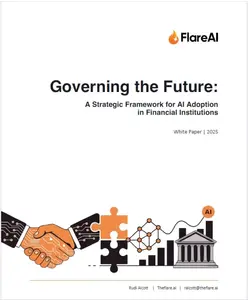
This whitepaper explores the transformative impact of artificial intelligence on the financial industry, focusing on the governance challenges and regulatory demands faced by banks. It provides a strategic framework for AI adoption, emphasizing the importance of a unified AI approach to streamline compliance and reduce operational costs. The document offers actionable insights and expert recommendations for banks with fewer than 2,000 employees to become leaders in compliant, customer-centric AI.
Read more