OpenAI Accuses Former Employee of Sharing Device Plans With Apple
Oct 15, 2026
AI Gadgets & Wearables
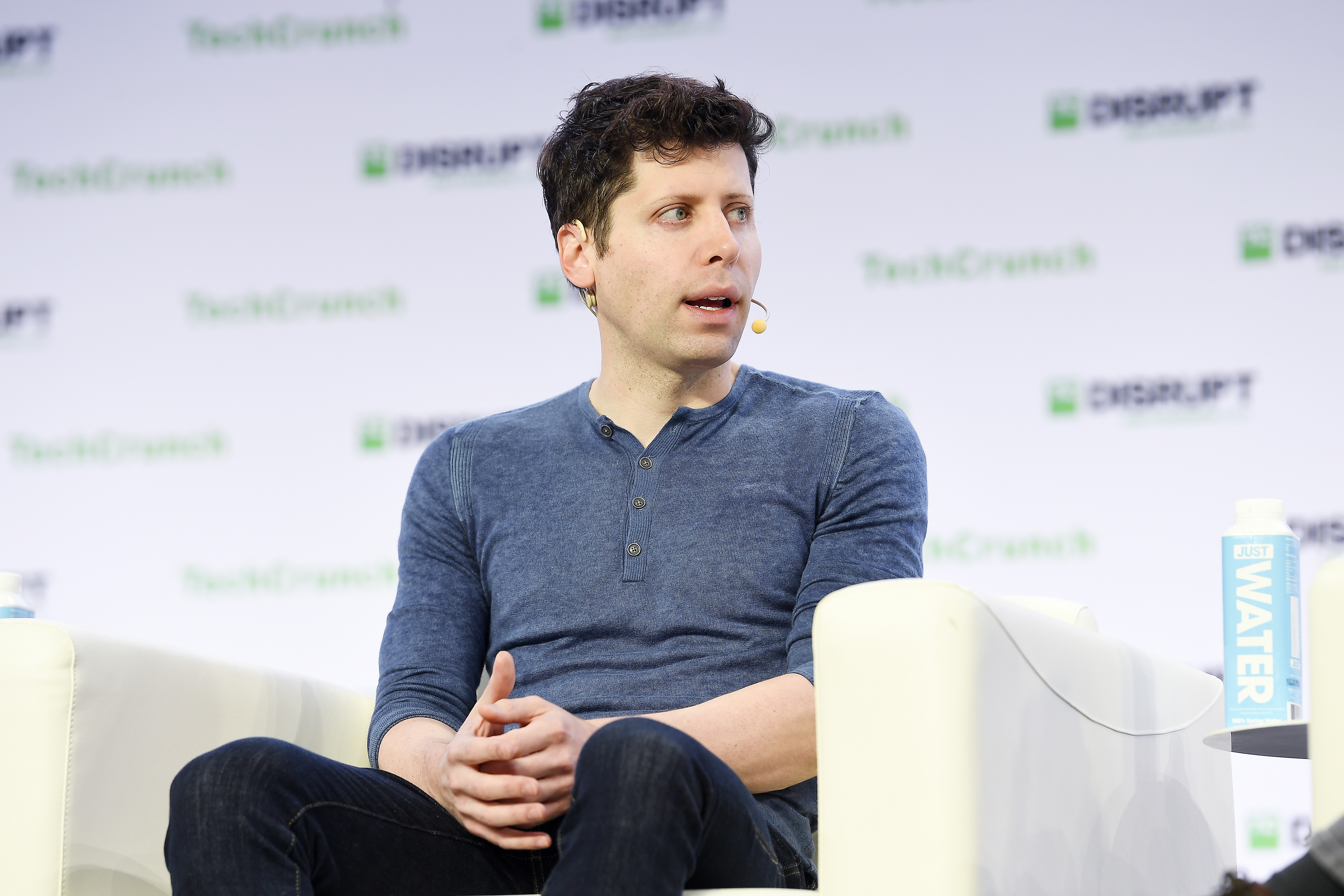
OpenAI has rejected allegations made by Apple Inc. in a trade secret lawsuit, reports TechCrunch. The company said it is unaware of any evidence supporting Apple's claims that confidential information was misused.
This response follows Apple's lawsuit filed on July 10, 2026, which accuses OpenAI of recruiting former Apple employees to obtain proprietary material. The 41-page complaint, submitted to the U.S. District Court for the Northern District of California, names multiple individuals, including OpenAI Chief Hardware Officer Tang Tan, who previously led product design for the iPhone and Apple Watch.
OpenAI stated that it remains focused on its own innovations and supports employee freedom to work where they choose. Apple, however, claims its internal investigation found evidence that OpenAI and affiliated partners used confidential data while developing hardware products. Reports suggest the AI company is working on a mobile smart device that may compete with Apple’s offerings.
Consider subscribing to one of our newsletters like AI Policy Brief or Daily AI Brief.
Also, consider following us on social media:
Weekly report on AI regulations, safety standards, government policies, and compliance requirements worldwide.

.png)
 Thomson Reuters
This report by Thomson Reuters explores the integration and impact of generative AI technologies, such as ChatGPT and Microsoft Copilot, within the professional services sector. It highlights the growing adoption of GenAI tools across industries like legal, tax, accounting, and government, and discusses the challenges and opportunities these technologies present. The report also examines professionals' perceptions of GenAI and the need for strategic integration to maximize its value.
Read moreDaily AI Brief: the AI news that matters, in your inbox.