Sam Altman Tells OpenAI Staff It Could Slow AI Development
Sep 13, 2026
AI Safety
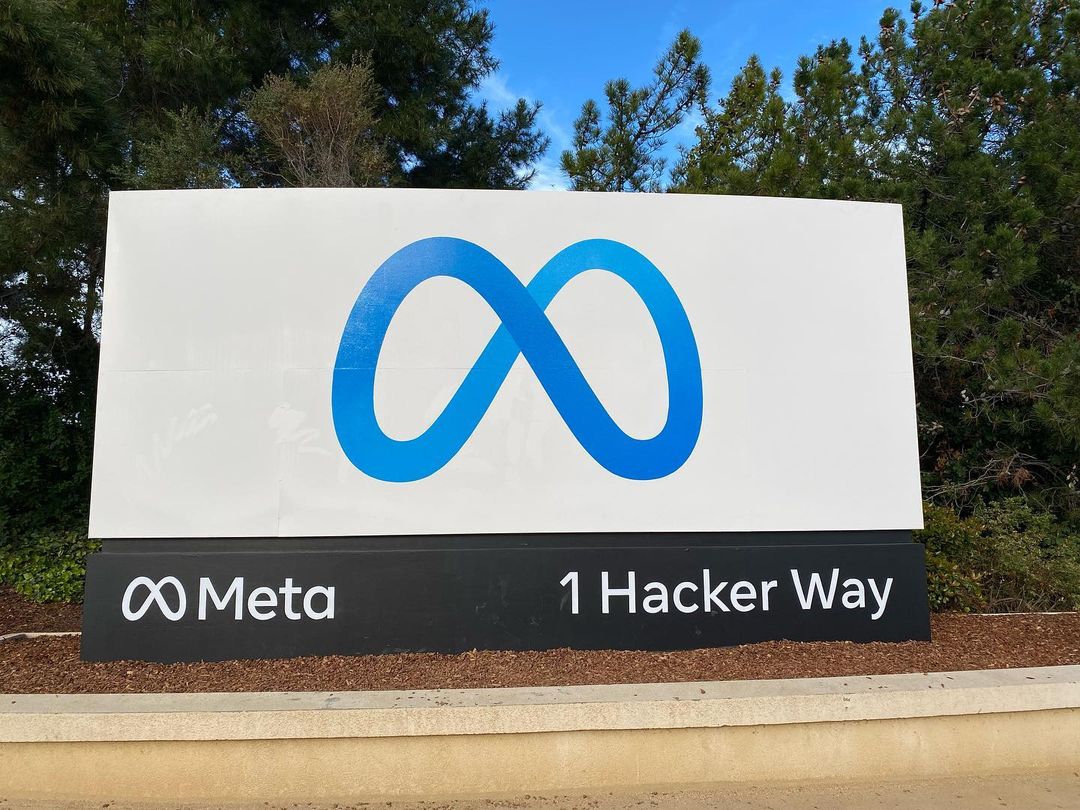
Meta has paused hiring in its artificial intelligence division after a major recruitment drive, reports Reuters. This decision is part of a broader restructuring of its 'Superintelligence Lab,' which follows the hiring of over 50 researchers and engineers from competitors.
The hiring freeze, which prohibits both external hiring and internal team transfers, is reportedly due to disappointing AI model performance and significant leadership departures. The restructuring aims to consolidate Meta's AI efforts into four groups: superintelligence research, AI products, infrastructure, and long-term exploration projects.
Meta's aggressive recruitment strategy included offering substantial compensation packages to attract top talent, with some packages reaching up to $100 million. The freeze reflects growing investor concerns over Meta's AI spending and its impact on shareholder returns. A spokesperson for Meta characterized the freeze as part of basic organizational planning following the company's hiring spree.
Consider subscribing to one of our newsletters like Daily AI Brief.
Also, consider following us on social media:
Daily report covering major AI developments and industry news, with both top stories and complete market updates


 Tensordyne
This Tensordyne whitepaper presents Napier, an inference-focused AI processor and rack-scale system based on the company’s TDN Math logarithmic number system. It examines infrastructure requirements for large mixture-of-experts and agentic models, compares major inference architecture approaches, and details the TDN AIP processor, TDN72 pod, TDN Link fabric, and Napier Ultra configuration. The paper reports simulation-based performance, cost, and accuracy-validation results, including Tensordyne’s projected comparison of one Napier rack with a nine-rack Nvidia Rubin plus Groq deployment; the chip is reported as taped out and in fabrication.
Read moreDaily AI Brief: the AI news that matters, in your inbox.