AI Companies Face Antitrust Lawsuit Over Slowdown Calls
Sep 21, 2026
Lawsuits & Court Cases
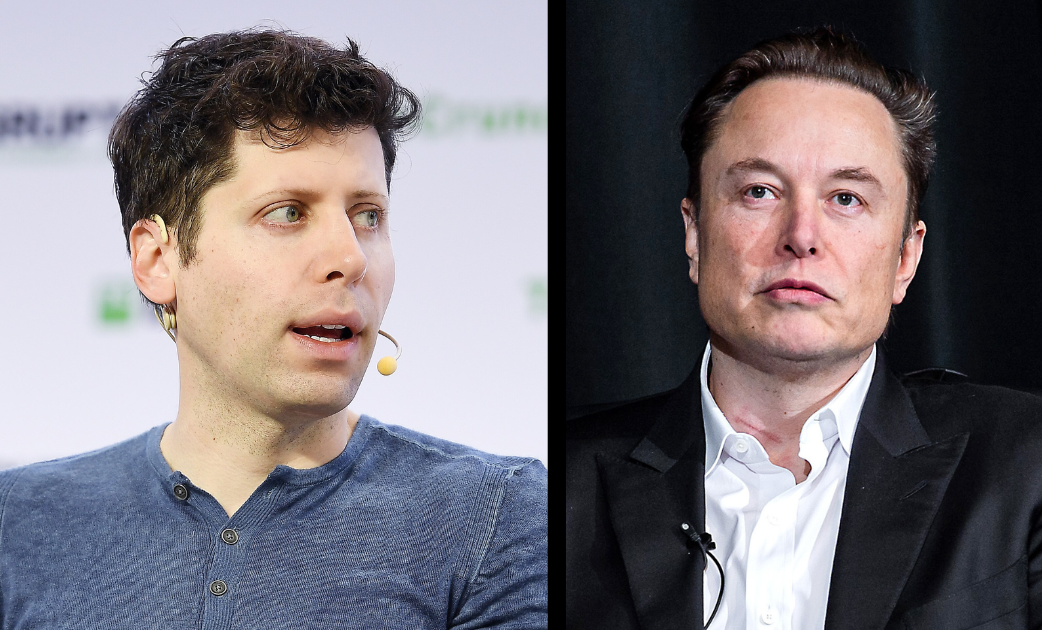
Elon Musk is seeking between $79 billion and $134 billion in damages from OpenAI and Microsoft, according to Bloomberg. The claim stems from allegations that OpenAI defrauded Musk by abandoning its nonprofit mission and partnering with Microsoft.
The damages figure was determined by financial economist C. Paul Wazzan, who calculated that OpenAI gained $65.5 billion to $109.4 billion and Microsoft $13.3 billion to $25.1 billion from Musk’s early contributions. Musk’s legal team argues he is entitled to a share of OpenAI’s current $500 billion valuation, citing his $38 million seed donation and early involvement in the company’s formation.
The lawsuit follows a January ruling that the case will go before a jury in April. OpenAI and Microsoft have both dismissed the claims, describing Wazzan’s calculations as unverifiable and unprecedented. OpenAI stated that the lawsuit is part of a continuing pattern of harassment.
Musk left OpenAI’s board in 2018 and later founded his own AI firm, xAI. His filing also indicates he may seek punitive damages and an injunction if the jury finds either company liable.
Consider subscribing to one of our newsletters like AI Policy Brief or Daily AI Brief.
Also, consider following us on social media:
Weekly report on AI regulations, safety standards, government policies, and compliance requirements worldwide.

.png)
 Thomson Reuters
This report by Thomson Reuters explores the integration and impact of generative AI technologies, such as ChatGPT and Microsoft Copilot, within the professional services sector. It highlights the growing adoption of GenAI tools across industries like legal, tax, accounting, and government, and discusses the challenges and opportunities these technologies present. The report also examines professionals' perceptions of GenAI and the need for strategic integration to maximize its value.
Read moreDaily AI Brief: the AI news that matters, in your inbox.