Hitachi Energy and Ansaldo Energia Partner on Data Center Power Systems
Oct 16, 2026
Data Centers
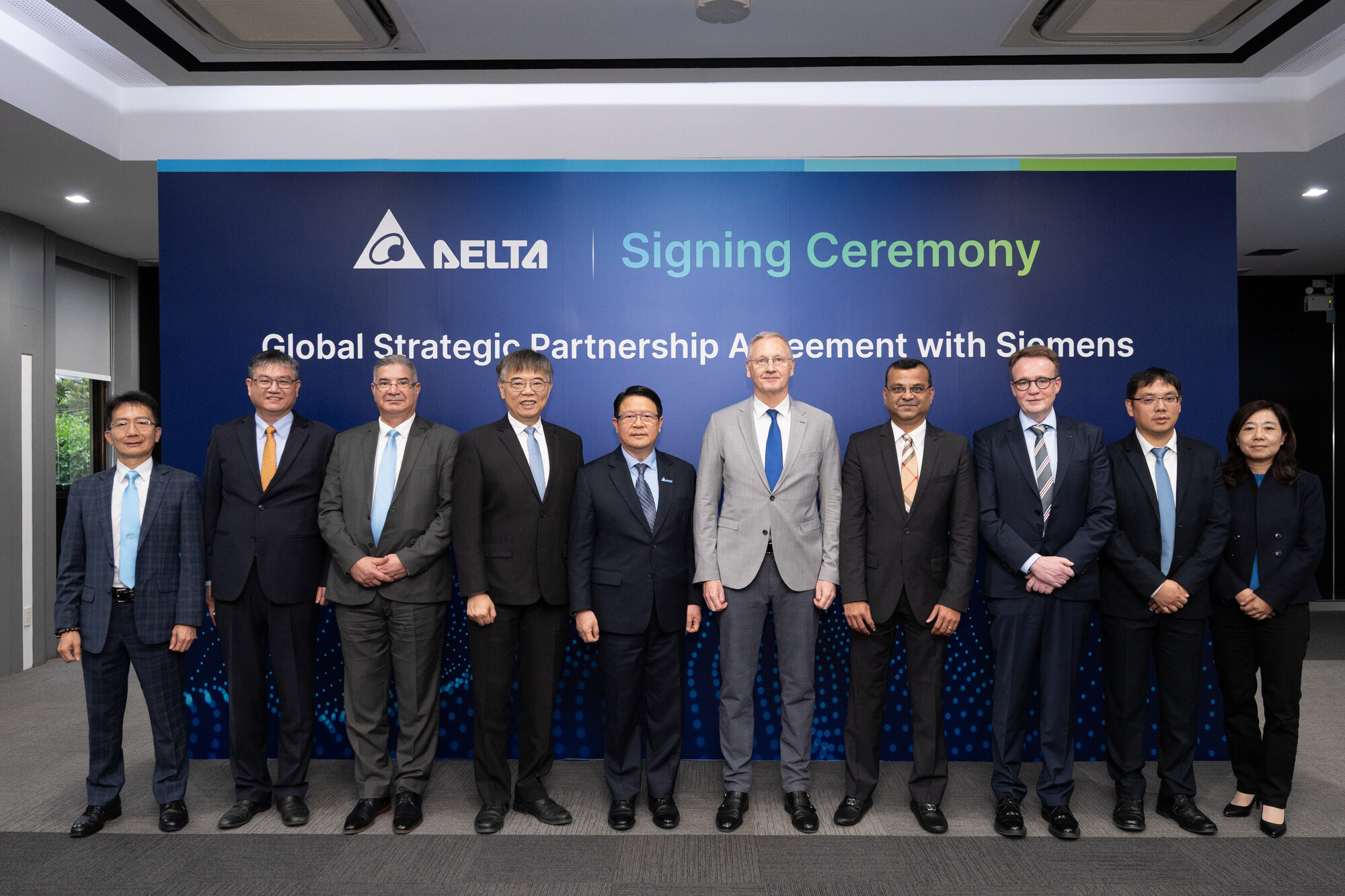
Delta Electronics and Siemens Smart Infrastructure have entered a global partnership to provide prefabricated, modular power systems for data centers, announced in a press release. The collaboration aims to reduce deployment time, capital expenditure, and carbon emissions for hyperscale and colocation operators.
The agreement focuses on delivering integrated containerized power solutions, such as SKIDs and eHouses. These systems are prefabricated and pre-tested off-site, offering a standardized plug-and-play setup that can shorten time-to-market by up to 50%. The modular design also lowers construction risks and optimizes space utilization.
According to the companies, combining Siemens AG's electrical distribution and engineering services with Delta Electronics's UPS, battery, and cooling technologies enables up to 20% reduction in capital costs and as much as 27% lower carbon emissions. The partnership will use Delta’s integration hubs across APAC and EMEA to support localized delivery and faster deployment of new data center capacity.
Consider subscribing to one of our newsletters like Silicon Brief or Daily AI Brief.
Also, consider following us on social media:
Weekly coverage of AI hardware developments including chips, GPUs, cloud platforms, and data center technology.
 Tensordyne
This Tensordyne whitepaper presents Napier, an inference-focused AI processor and rack-scale system based on the company’s TDN Math logarithmic number system. It examines infrastructure requirements for large mixture-of-experts and agentic models, compares major inference architecture approaches, and details the TDN AIP processor, TDN72 pod, TDN Link fabric, and Napier Ultra configuration. The paper reports simulation-based performance, cost, and accuracy-validation results, including Tensordyne’s projected comparison of one Napier rack with a nine-rack Nvidia Rubin plus Groq deployment; the chip is reported as taped out and in fabrication.
Read moreDaily AI Brief: the AI news that matters, in your inbox.