AnX Robotica Cites 88.6% ProScan Review Time Reduction
Oct 12, 2026
Healthcare
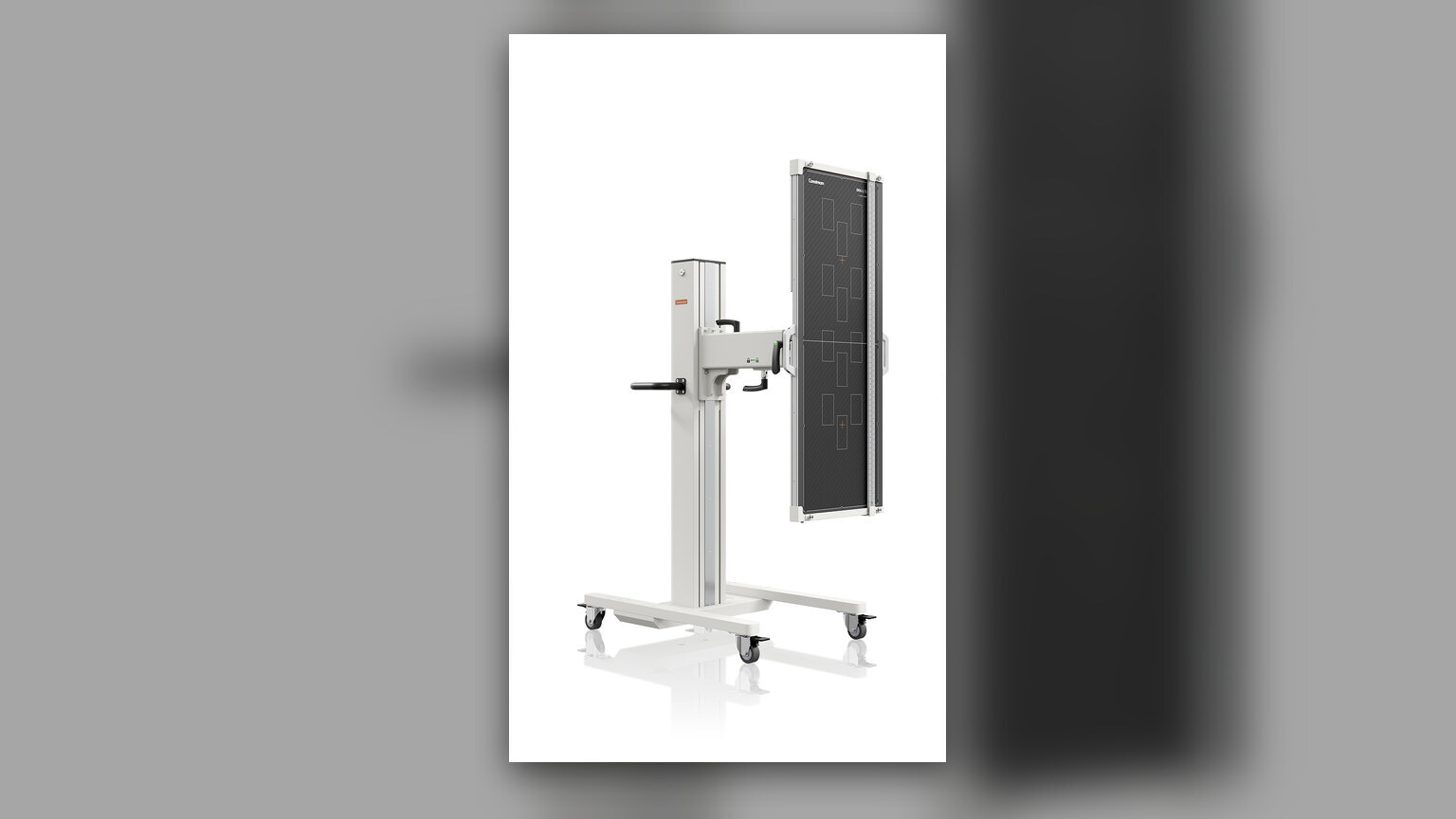
Carestream Healthcare International has updated its DRX LC detector with automatic exposure control and AI based noise reduction, the company announced in a press release. The detector captures images of long bones and the spine in a single exposure.
The new detector exposure control adjusts imaging parameters to provide more uniform exposure and manage radiation dose. Its intelligent noise cancellation uses AI to reduce image noise while preserving subtle details.
The DRX LC works with digital radiography rooms, mobile systems, and retrofit systems. It can be used in settings including radiology departments and operating rooms.
Consider subscribing to one of our newsletters like Life AI Weekly or Daily AI Brief.
Also, consider following us on social media:
Weekly coverage of AI applications in healthcare, drug development, biotechnology research, and genomics breakthroughs.


 Tensordyne
This Tensordyne whitepaper presents Napier, an inference-focused AI processor and rack-scale system based on the company’s TDN Math logarithmic number system. It examines infrastructure requirements for large mixture-of-experts and agentic models, compares major inference architecture approaches, and details the TDN AIP processor, TDN72 pod, TDN Link fabric, and Napier Ultra configuration. The paper reports simulation-based performance, cost, and accuracy-validation results, including Tensordyne’s projected comparison of one Napier rack with a nine-rack Nvidia Rubin plus Groq deployment; the chip is reported as taped out and in fabrication.
Read moreDaily AI Brief: the AI news that matters, in your inbox.