Disney and Adobe sign multi-year deal to build custom Firefly AI models for parks, studios and ESPN
Nov 09, 2026
Enterprise
Adobe released a local Model Context Protocol for Creative Cloud and introduced new AI features at its MAX event in Miami, according to TechCrunch. The protocol lets chatbots such as ChatGPT, Claude and Gemini access functions in Illustrator, Photoshop, After Effects and Premiere.
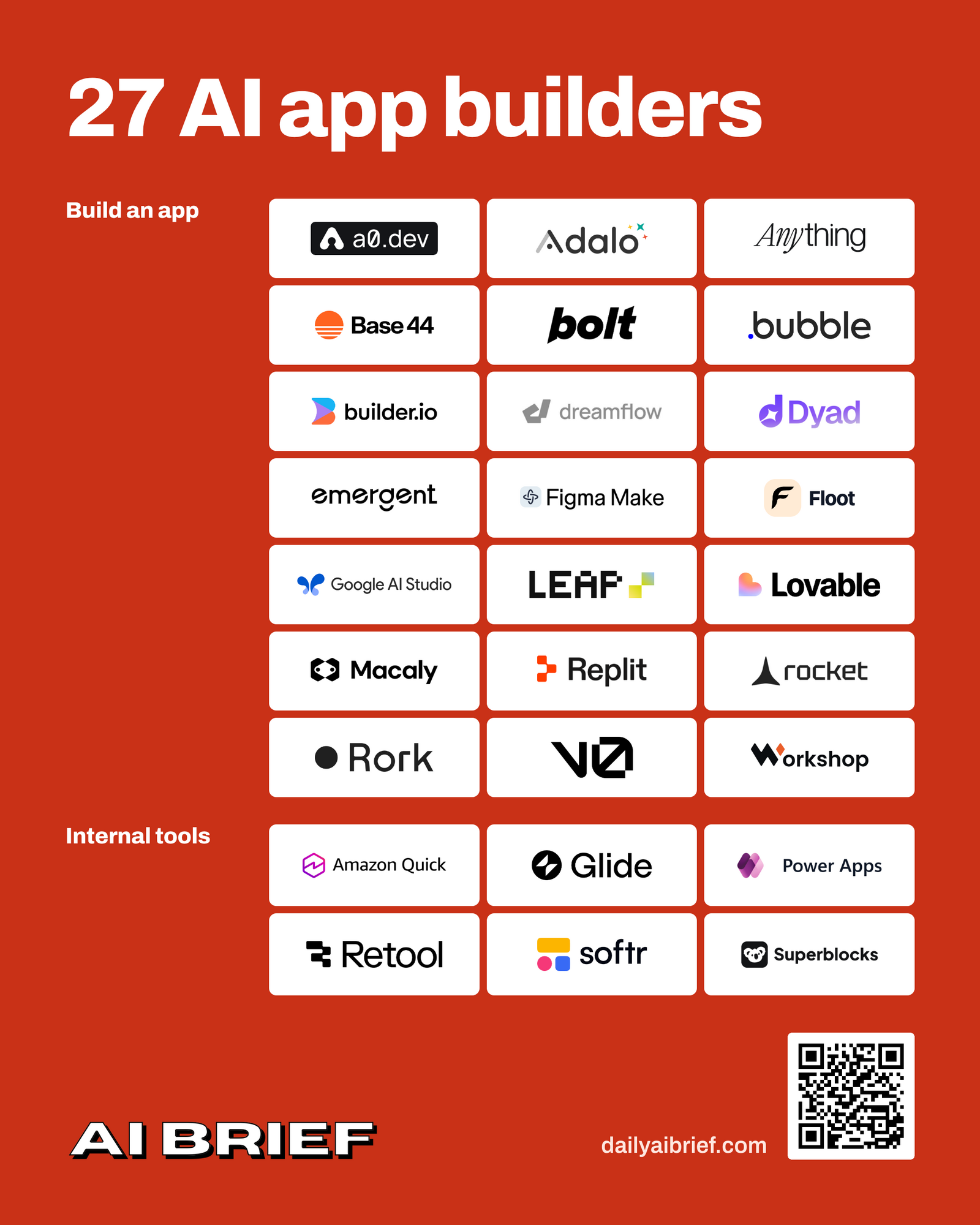
Firefly is adding Builder, a prototyping tool now in private beta, along with tools for creating branded graphs and editing selected parts of images. A new video tool can assemble clips, images and sound effects, while the Firefly agent can provide shortcuts for tasks such as removing backgrounds and generating video thumbnails.
Photoshop is getting relighting controls and sliders for generative styles. Premiere is adding professional color grading and video object removal, while Lightroom is introducing tools for correcting blinking eyes and removing blemishes. Topaz Labs, one of Adobe's newer acquisitions, is releasing Wonder 4 for image upscaling and noise removal, plus ImageHDR for converting standard images to HDR.
Consider subscribing to one of our newsletters like AI Programming Weekly or Daily AI Brief.
Also, consider following us on social media:
Weekly news about AI tools for software engineers, AI enabled IDE's and much more.

 Tensordyne
This Tensordyne whitepaper presents Napier, an inference-focused AI processor and rack-scale system based on the company’s TDN Math logarithmic number system. It examines infrastructure requirements for large mixture-of-experts and agentic models, compares major inference architecture approaches, and details the TDN AIP processor, TDN72 pod, TDN Link fabric, and Napier Ultra configuration. The paper reports simulation-based performance, cost, and accuracy-validation results, including Tensordyne’s projected comparison of one Napier rack with a nine-rack Nvidia Rubin plus Groq deployment; the chip is reported as taped out and in fabrication.
Read moreDaily AI Brief: the AI news that matters, in your inbox.