U.S. Army Awards webAI $14.5 Million Tactical AI Contract
Oct 08, 2026
Defense
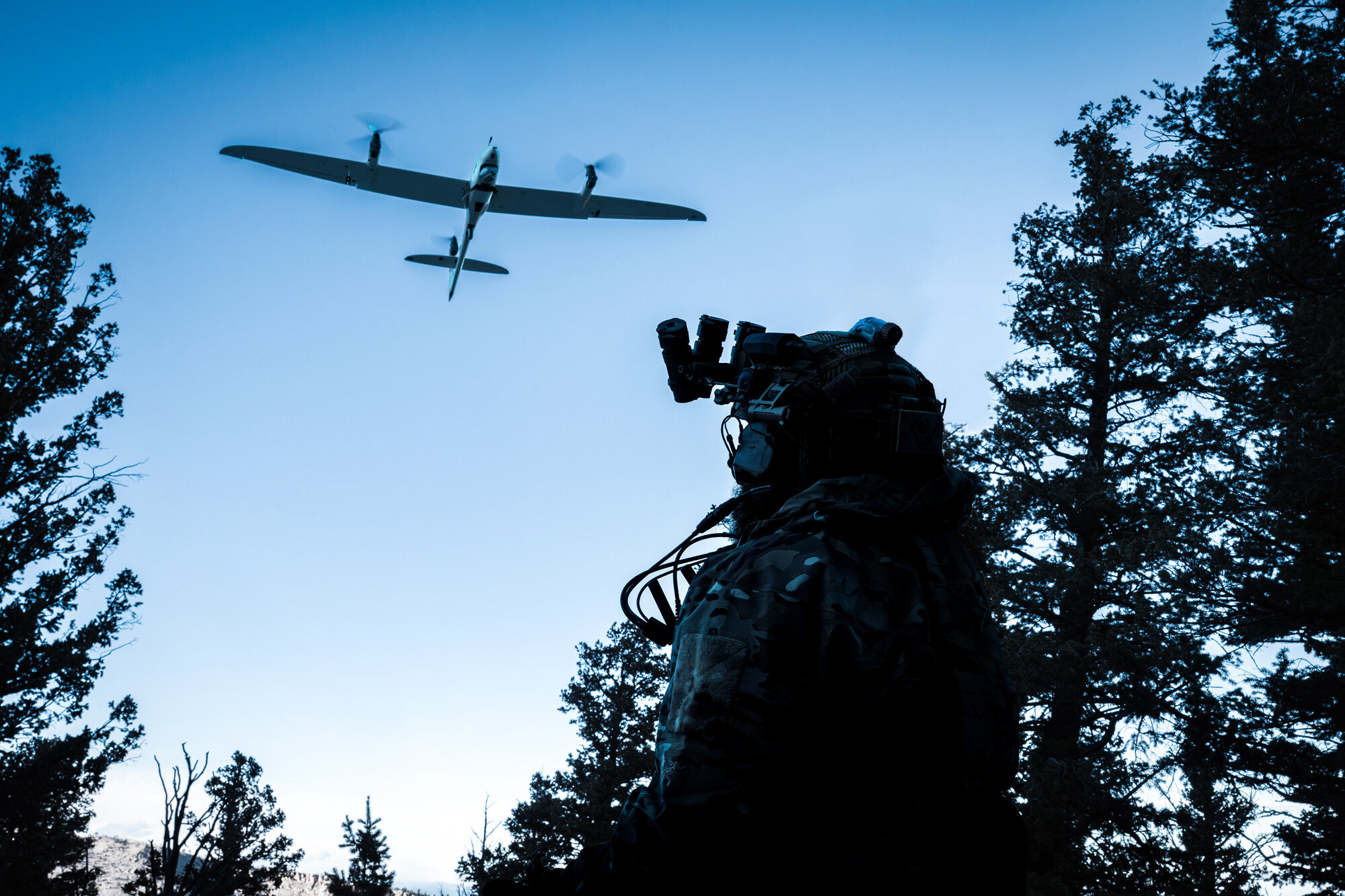
Quantum-Systems Inc. announced in a press release that its Vector AI small uncrewed aircraft system (sUAS) has been selected for the U.S. Army's Company-Level sUAS Directed Requirement 2 initiative under a $15.3 million contract. The agreement aims to accelerate the delivery of advanced aerial intelligence capabilities to Brigade Combat Teams.
The Vector AI system provides AI-enabled reconnaissance, surveillance, and targeting functions designed for dynamic operational environments. It includes anti-jamming technology and a multi-layered GPS-denied navigation stack that allows for visual navigation and precision targeting independent of GPS.
Built with a modular, open architecture, Vector AI supports rapid payload integration and interoperability with battlefield management systems such as TAK and Lattice. The selection reflects the Army’s effort to field operationally proven, commercially available systems that can be adapted to evolving tactical requirements.
Consider subscribing to one of our newsletters like AI Funding Brief, Defense AI Brief or Daily AI Brief.
Also, consider following us on social media:


 Tensordyne
This Tensordyne whitepaper presents Napier, an inference-focused AI processor and rack-scale system based on the company’s TDN Math logarithmic number system. It examines infrastructure requirements for large mixture-of-experts and agentic models, compares major inference architecture approaches, and details the TDN AIP processor, TDN72 pod, TDN Link fabric, and Napier Ultra configuration. The paper reports simulation-based performance, cost, and accuracy-validation results, including Tensordyne’s projected comparison of one Napier rack with a nine-rack Nvidia Rubin plus Groq deployment; the chip is reported as taped out and in fabrication.
Read moreDaily AI Brief: the AI news that matters, in your inbox.