
Benchling Launches Science Foundries for Biotech R&D
Oct 15, 2026
Biotech
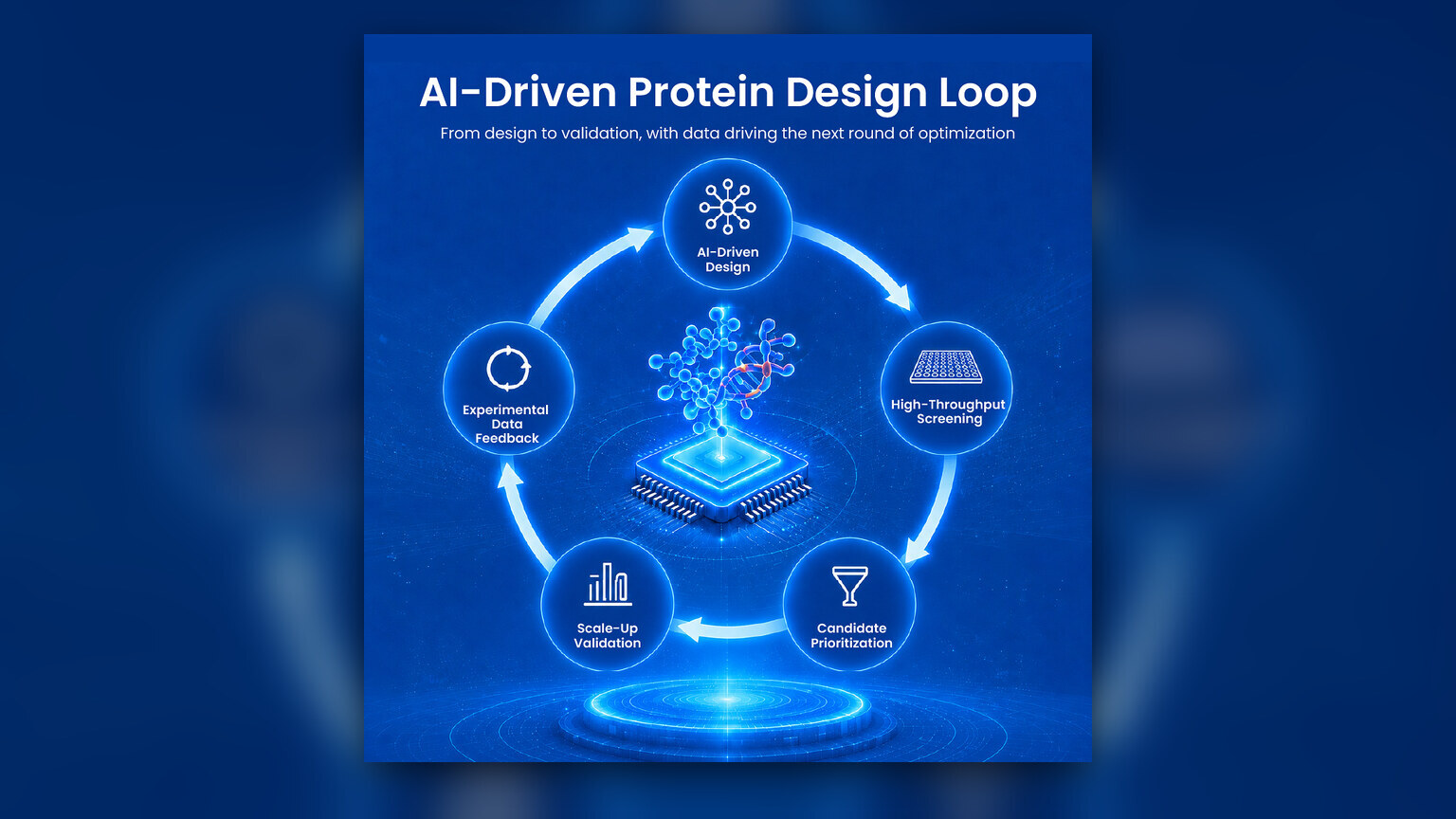
Beijing Tsingke Biotech Co., Ltd. introduced an integrated workflow for validating large libraries of proteins and antibodies designed with AI, the company said in a press release. The process combines gene synthesis, parallel expression, initial screening, larger scale production, purification and quantitative binding analysis.
The workflow starts with batch gene synthesis and parallel expression, followed by screening through methods such as ELISA binding assays. Selected candidates can proceed to purification, gram scale production and analysis with biolayer interferometry or surface plasmon resonance to measure KD, kon and koff.
Tsingke says the workflow can process up to 1,500 antibody candidates per day. For applicable projects, delivery from gene to antibody can take seven calendar days, plus five days for shipping. Supported antibody formats include scFv, VHH, Fab and full length IgG.
Consider subscribing to one of our newsletters like Life AI Weekly or Daily AI Brief.
Also, consider following us on social media:
Weekly coverage of AI applications in healthcare, drug development, biotechnology research, and genomics breakthroughs.

 Thomson Reuters
This report by Thomson Reuters explores the integration and impact of generative AI technologies, such as ChatGPT and Microsoft Copilot, within the professional services sector. It highlights the growing adoption of GenAI tools across industries like legal, tax, accounting, and government, and discusses the challenges and opportunities these technologies present. The report also examines professionals' perceptions of GenAI and the need for strategic integration to maximize its value.
Read moreDaily AI Brief: the AI news that matters, in your inbox.