Jellyfish Reports Analysis of 100 Million Pull Requests
Sep 24, 2026
AI for Software Engineering
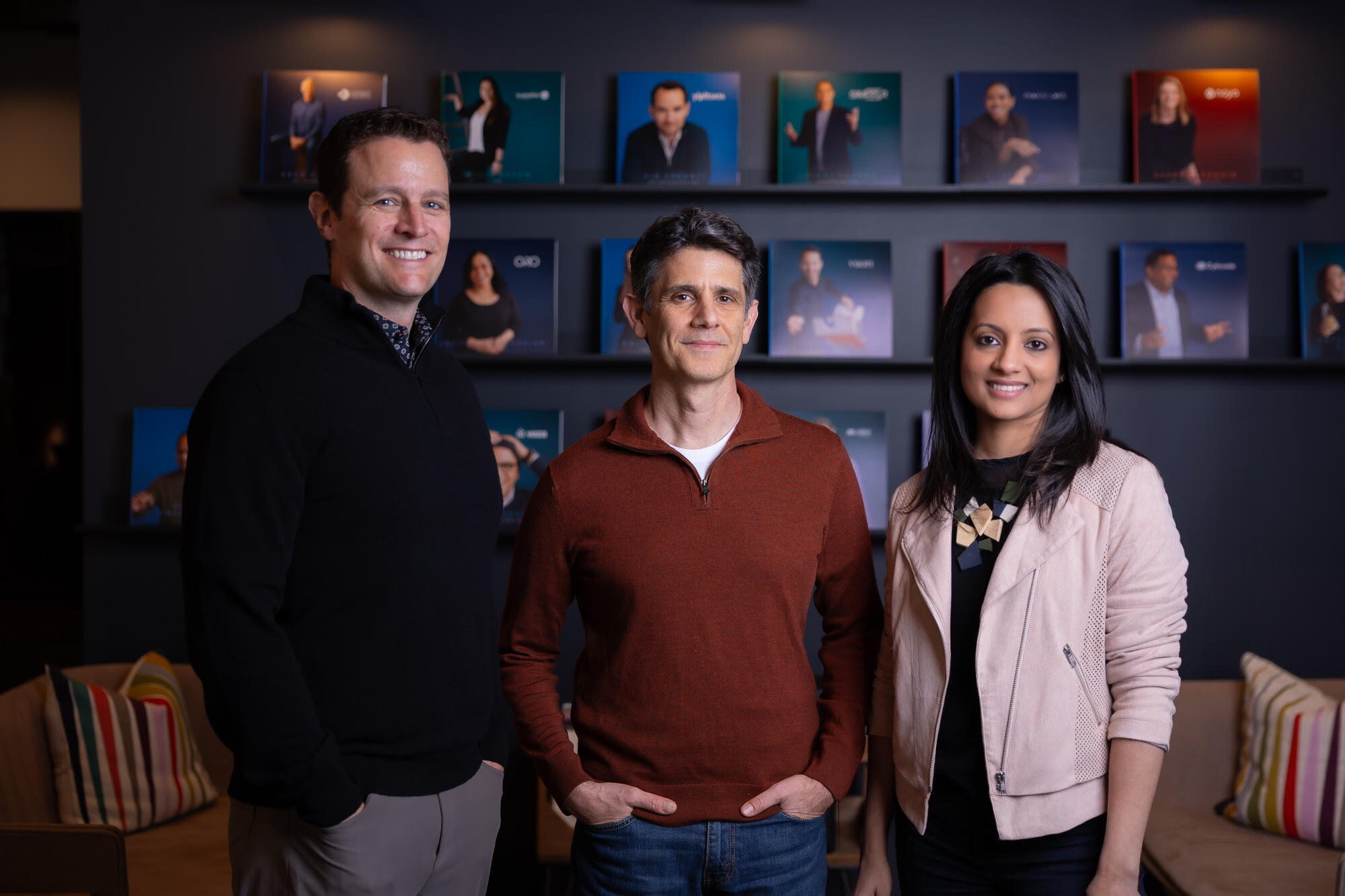
Pinkfish AI has announced the launch of its Generative Automation platform, a tool designed to transform how enterprises automate processes. The platform allows users to create automations through natural language conversations, eliminating the need for coding expertise. This innovation aims to streamline operations across various business functions, including IT and services.
The launch is supported by a $7.6 million pre-seed funding round led by Norwest Venture Partners, with participation from Storm Ventures and angel investors. Norwest Partner Scott Beechuk will join Pinkfish's board of directors.
Pinkfish's platform is already being utilized by companies such as IPSY, Humach, and Sage Publications to enhance efficiency and reduce the time required to deploy new automations. The platform's capabilities include deterministic execution, self-healing features, and over 200 integrations, making it a comprehensive solution for enterprise automation needs.
Co-founded in 2024 by Charanya "CK" Kannan and Ben Rigby, both former executives at Talkdesk, Pinkfish AI is headquartered in San Francisco. The company aims to empower users without technical skills to drive automation and innovation within their organizations.
Consider subscribing to one of our newsletters like Enterprise AI Brief, AI Funding Brief or Daily AI Brief.
Also, consider following us on social media:
Weekly report on AI business applications, enterprise software releases, automation tools, and industry implementations.


 Tensordyne
This Tensordyne whitepaper presents Napier, an inference-focused AI processor and rack-scale system based on the company’s TDN Math logarithmic number system. It examines infrastructure requirements for large mixture-of-experts and agentic models, compares major inference architecture approaches, and details the TDN AIP processor, TDN72 pod, TDN Link fabric, and Napier Ultra configuration. The paper reports simulation-based performance, cost, and accuracy-validation results, including Tensordyne’s projected comparison of one Napier rack with a nine-rack Nvidia Rubin plus Groq deployment; the chip is reported as taped out and in fabrication.
Read moreDaily AI Brief: the AI news that matters, in your inbox.