Clutch Introduces HAL, an AI Lending Assistant for Credit Unions
Clutch has launched HAL, an AI-powered lending assistant aimed at transforming the lending process for credit unions, announced in a press release. HAL is designed to enhance the applicant experience, streamline operations, and drive growth by accelerating loan processing and reducing costs.
HAL offers several key features, including AI-powered conversations with applicants, automated document collection and validation, and loan status tracking. These features aim to improve engagement, reduce manual work, and increase transparency for both applicants and credit union staff.
According to Clutch, pilot customers have reported significant improvements, such as an 80% facilitation of document requests by HAL, a reduction in time-to-fund by more than a day, and a 70% increase in the look-to-book ratio. Only 2% of member messages required human escalation, highlighting the efficiency of HAL's AI capabilities.
Clutch's CEO, Nicky Hinrichsen, emphasized that HAL equips credit unions to meet the growing demand for seamless and efficient financial services, reflecting the company's focus on helping credit unions thrive in a digital-first financial landscape.
We hope you enjoyed this article.
Consider subscribing to one of our newsletters like Finance AI Weekly or Daily AI Brief.
Also, consider following us on social media:
More from: Finance
Subscribe to Finance AI Weekly
Weekly newsletter about AI in finance. Covers AI-driven trading, fintech innovations, and data analytics transforming markets

Whitepaper
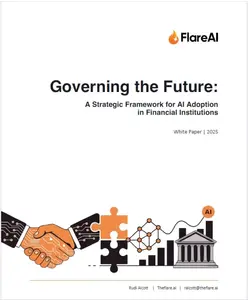
Governing the Future: A Strategic Framework for AI Adoption in Financial Institutions
This whitepaper explores the transformative impact of artificial intelligence on the financial industry, focusing on the governance challenges and regulatory demands faced by banks. It provides a strategic framework for AI adoption, emphasizing the importance of a unified AI approach to streamline compliance and reduce operational costs. The document offers actionable insights and expert recommendations for banks with fewer than 2,000 employees to become leaders in compliant, customer-centric AI.
Read more