OpenAI Introduces GPT-6 Cyber for Daybreak Red
Nov 05, 2026
Cybersecurity

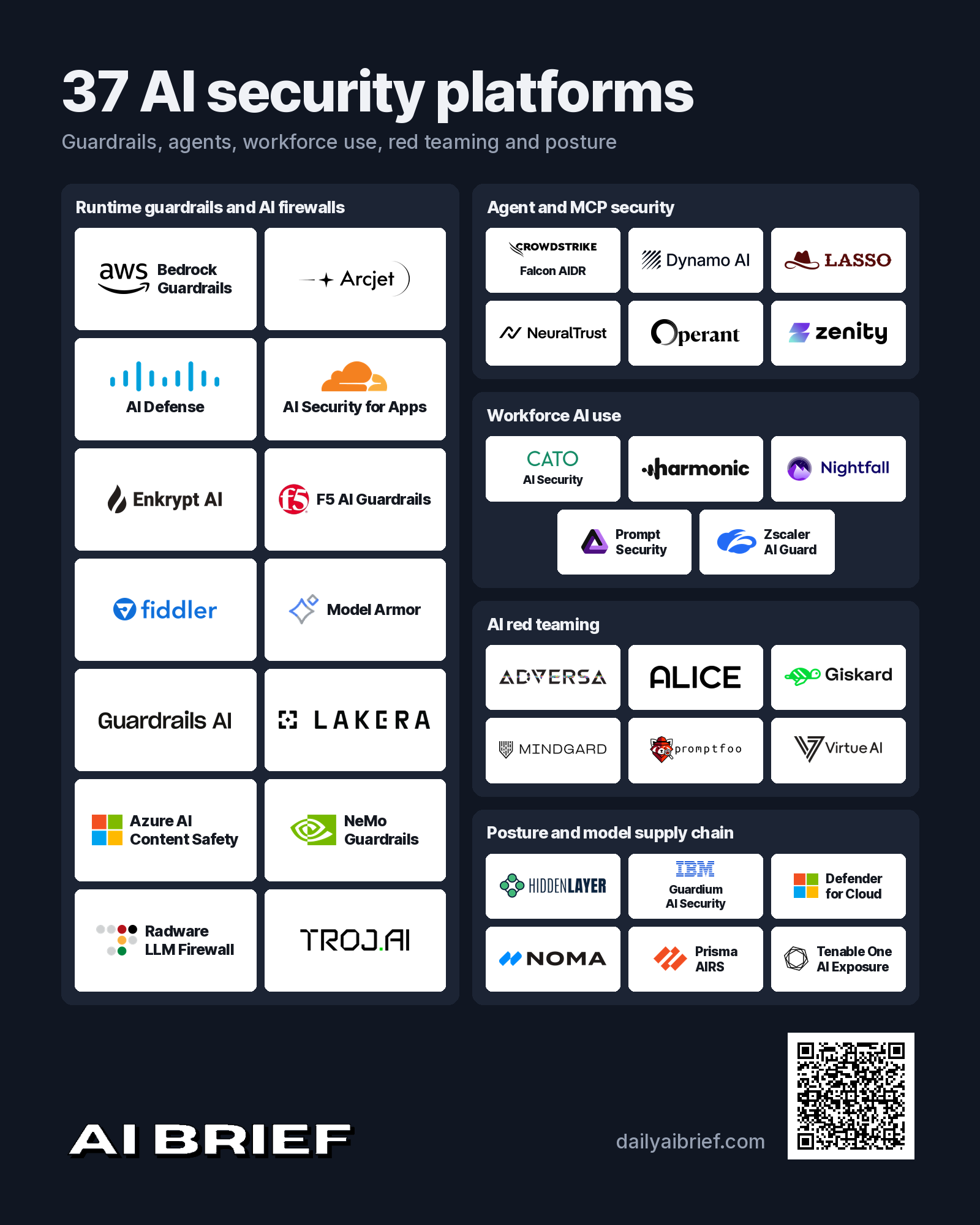
Zscaler has partnered with OpenAI through the company’s Trusted Access for Cyber (TAC) program to strengthen cybersecurity across its Zero Trust Exchange platform, according to a company announcement. As part of this collaboration, Zscaler will integrate GPT‑5.4‑Cyber, a TAC‑enabled version of OpenAI’s latest model, into its secure software development lifecycle to identify and patch vulnerabilities more efficiently.
The GPT‑5.4‑Cyber model will assist Zscaler’s internal teams in validating threat models, performing secure code reviews, and conducting automated testing. It will also be used to transform large volumes of security data into actionable intelligence, helping prioritize real risks and accelerate remediation efforts. Zscaler plans to leverage the model defensively and offensively, including simulating adversarial attacks to improve system resilience.
Beyond development security, Zscaler is employing OpenAI models for its AI Red Teaming suite, which provides continuous testing, prompt hardening, and AI asset analysis. The models also support the company’s Red Canary Managed Detection and Response service, where AI agents assist analysts in investigating threats while maintaining high accuracy rates.
Through this partnership, Zscaler aims to combine OpenAI’s advanced models with its Zero Trust architecture to reduce attack surfaces and enhance protection for enterprise customers.
Consider subscribing to one of our newsletters like Cybersecurity AI Weekly, Enterprise AI Brief or Daily AI Brief.
Also, consider following us on social media:
Weekly newsletter about AI in Cybersecurity.

 Tensordyne
This Tensordyne whitepaper presents Napier, an inference-focused AI processor and rack-scale system based on the company’s TDN Math logarithmic number system. It examines infrastructure requirements for large mixture-of-experts and agentic models, compares major inference architecture approaches, and details the TDN AIP processor, TDN72 pod, TDN Link fabric, and Napier Ultra configuration. The paper reports simulation-based performance, cost, and accuracy-validation results, including Tensordyne’s projected comparison of one Napier rack with a nine-rack Nvidia Rubin plus Groq deployment; the chip is reported as taped out and in fabrication.
Read moreDaily AI Brief: the AI news that matters, in your inbox.