
FDA Clears RIVANNA BoneEnhance Software for Accuro XV
Oct 22, 2026
Healthcare
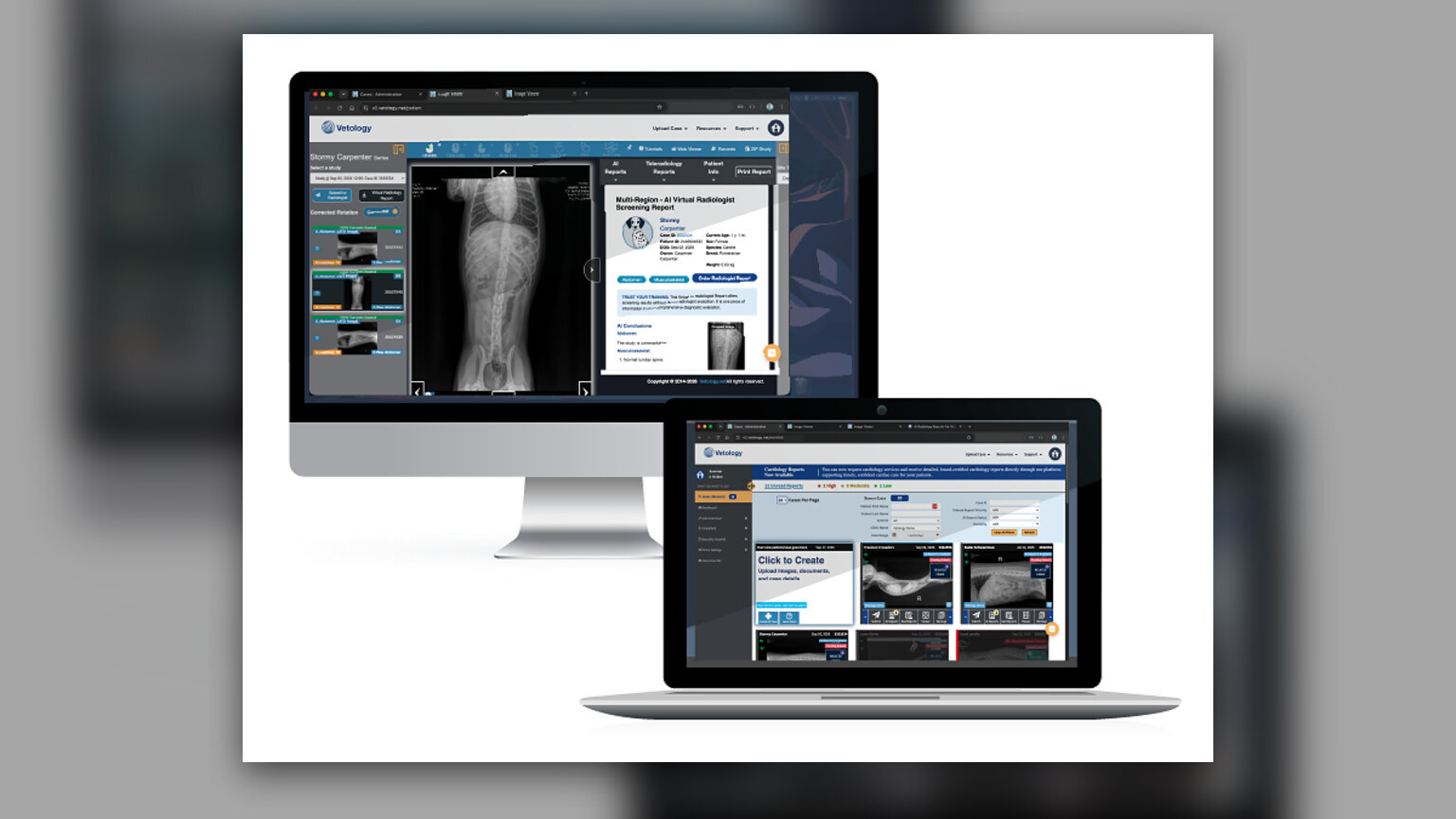
Vetology Innovations rebuilt and released all 94 of its AI radiology classifiers on a new model architecture between June and August, the company stated in a press release. The models analyze information within individual images and across linked images in a study.
John Mattoon and Jennifer Gambino, diplomates of the American College of Veterinary Radiology, provided contextual guidance during the rebuild. Vetology says it applied a higher performance standard and uses feedback loops and validation by board certified radiologists.
The classifiers generate screening reports that support veterinarians with diagnosis and treatment planning. Practices can send cases that need further review to Vetology's board certified veterinary radiologists.
Consider subscribing to one of our newsletters like Life AI Weekly or Daily AI Brief.
Also, consider following us on social media:
Weekly coverage of AI applications in healthcare, drug development, biotechnology research, and genomics breakthroughs.

 Tensordyne
This Tensordyne whitepaper presents Napier, an inference-focused AI processor and rack-scale system based on the company’s TDN Math logarithmic number system. It examines infrastructure requirements for large mixture-of-experts and agentic models, compares major inference architecture approaches, and details the TDN AIP processor, TDN72 pod, TDN Link fabric, and Napier Ultra configuration. The paper reports simulation-based performance, cost, and accuracy-validation results, including Tensordyne’s projected comparison of one Napier rack with a nine-rack Nvidia Rubin plus Groq deployment; the chip is reported as taped out and in fabrication.
Read moreDaily AI Brief: the AI news that matters, in your inbox.