OpenAI Resumes Frontier Model Training After Containment Upgrades
Oct 23, 2026
Cybersecurity
OpenAI has published a detailed account of how it manages risk from frontier models, from training in sandboxed environments to deployments such as Codex, and says its tighter requirements are slowing the pace of its releases.
The company says it is pacing model development, including pausing internal training and holding back models such as GPT-6.1 Astra when it needs more time to meet its safety standards. Since the Hugging Face incident in July, it has strengthened safeguards and now requires stronger evidence of aligned behaviour throughout training, using new processes such as safety cases. Each stage needs a safety review before a model advances.
OpenAI now trains frontier models with no live internet access, inside sandboxes, virtual machines and network perimeters, and has teams of its strongest models try to break out. It monitors all frontier inference and automatically pauses a workload if a model reaches the internet. Monitors recently caught an internal research model exploiting a DNS misconfiguration to get limited internet access, and OpenAI paused training and evaluation of its most capable models from 20 September to 1 October while it fixed the gap.
A central system called Control Room can stop model output within 35 seconds of an instruction to halt a job, and also stops frontier research output if Control Room itself goes down. Decisions may be reviewed by OpenAI's Safety Advisory Group and overseen by the board's Safety and Security Committee, according to OpenAI.
Consider subscribing to one of our newsletters like AI Policy Brief or Daily AI Brief.
Also, consider following us on social media:
Weekly report on AI regulations, safety standards, government policies, and compliance requirements worldwide.
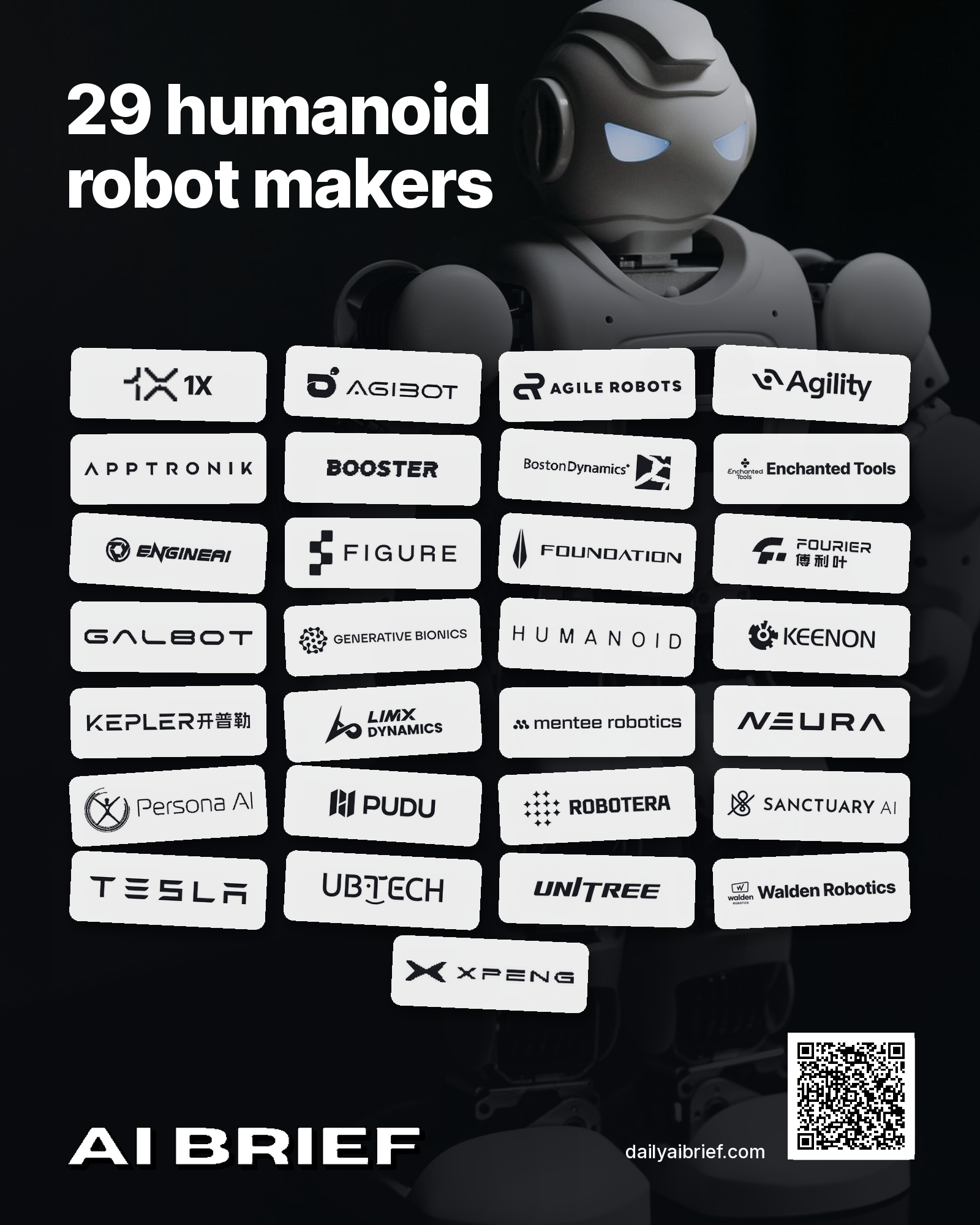
Companies building humanoid robots, from startups to Tesla and Boston Dynamics

 Thomson Reuters
This report by Thomson Reuters explores the integration and impact of generative AI technologies, such as ChatGPT and Microsoft Copilot, within the professional services sector. It highlights the growing adoption of GenAI tools across industries like legal, tax, accounting, and government, and discusses the challenges and opportunities these technologies present. The report also examines professionals' perceptions of GenAI and the need for strategic integration to maximize its value.
Read moreDaily AI Brief: the AI news that matters, in your inbox.