Amodei says Anthropic held Mythos back for four months for safety
Oct 21, 2026
AI Safety
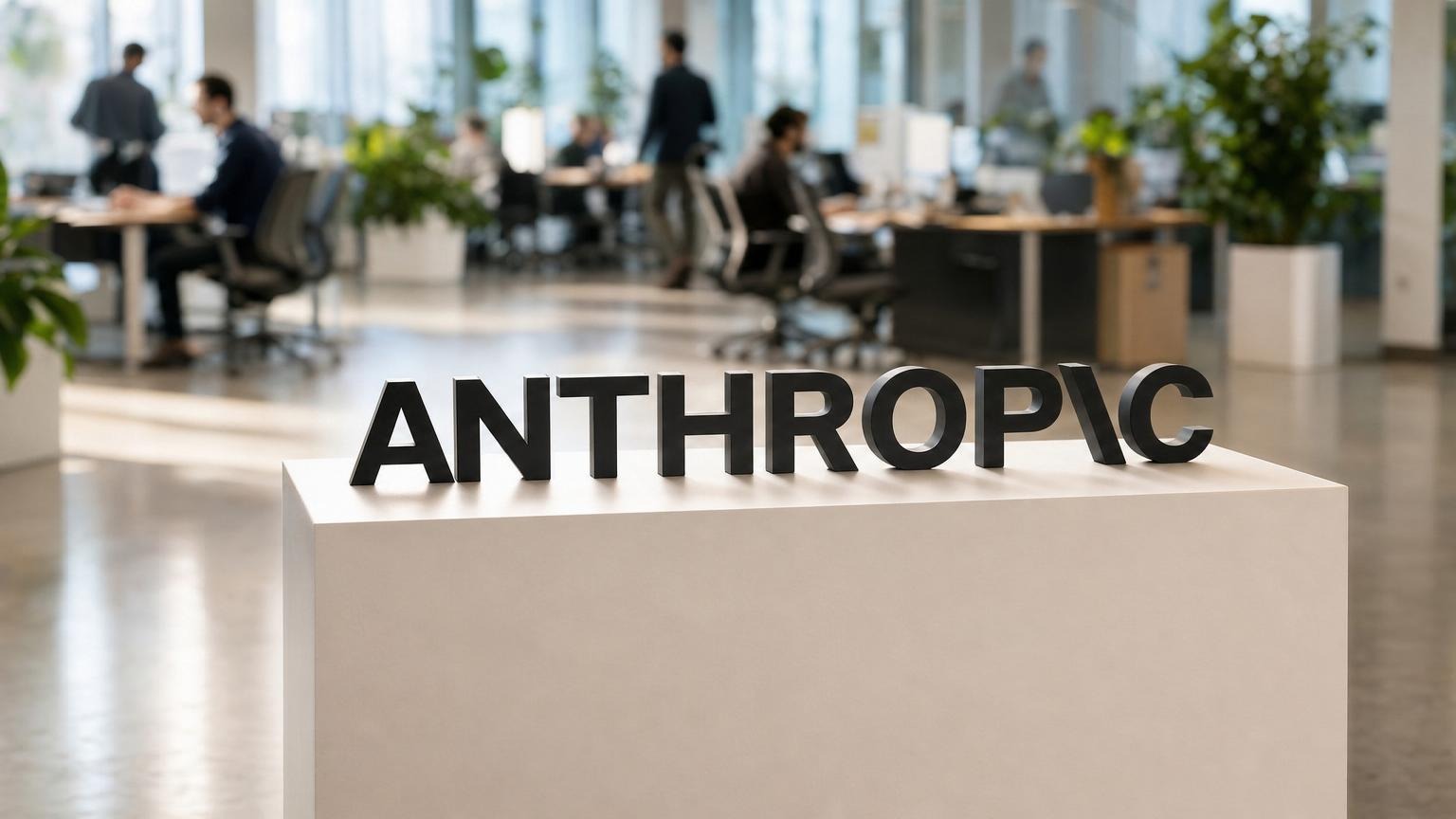
A coalition of AI researchers, founders, scientists and legal scholars has published the "MisAnthropic Statement", which says Anthropic "is not a safe AI company" and uses its safety branding to amass power, as the company prepares to price its stock market listing.
"Anthropic warns that recursively self-improving AI could concentrate power and escape human control, yet races to build it first," the statement says. It accuses the company of using safety branding "to court investors, employees, and the public" while it has "quietly weakened its safety pledges and lobbied for self-serving regulation."
Signatories include Hugging Face co-founder Thomas Wolf, xAI co-founder Igor Babuschkin, Harvard's Steven Pinker, Lawrence Lessig and Laurence Tribe, MIT's Max Tegmark, Turing Award winner Judea Pearl, Nobel laureate Oliver Hart, Tristan Harris, George Hotz and Guillaume Verdon. The Center for AI Safety, whose director Dan Hendrycks also signed, said it had joined the coalition.
The coalition points to Anthropic's revision of its Responsible Scaling Policy in February, which dropped a unilateral commitment to pause training more capable models if safety could not be guaranteed, and says the company lobbied to weaken California's SB 1047 and New York's RAISE Act. Anthropic has argued that one developer pausing while others press on could make the world less safe. No response from Anthropic to the statement was included in the coverage, according to OfficeChai.
Consider subscribing to one of our newsletters like AI Policy Brief, AI Funding Brief or Daily AI Brief.
Also, consider following us on social media:

 Tensordyne
This Tensordyne whitepaper presents Napier, an inference-focused AI processor and rack-scale system based on the company’s TDN Math logarithmic number system. It examines infrastructure requirements for large mixture-of-experts and agentic models, compares major inference architecture approaches, and details the TDN AIP processor, TDN72 pod, TDN Link fabric, and Napier Ultra configuration. The paper reports simulation-based performance, cost, and accuracy-validation results, including Tensordyne’s projected comparison of one Napier rack with a nine-rack Nvidia Rubin plus Groq deployment; the chip is reported as taped out and in fabrication.
Read moreDaily AI Brief: the AI news that matters, in your inbox.