Huawei presents grid interactive AI data center solution in Shanghai
Sep 22, 2026
Data Centers
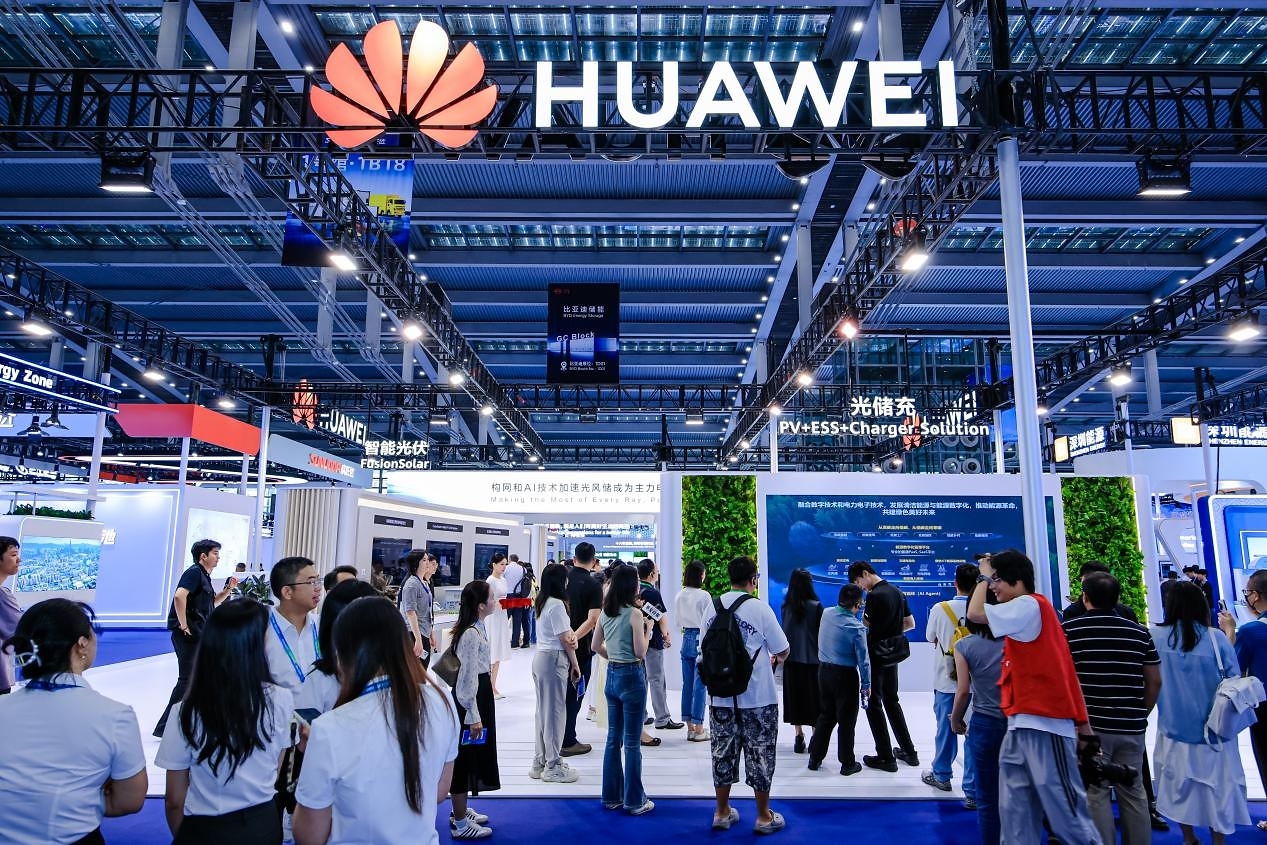
In a press release, Huawei Digital Power detailed renewable energy and AI infrastructure shown at IDEE 2026, held from September 15 to 17. The display covered public power grids, energy storage systems, intelligent microgrids, commercial energy, charging and AI data centers.
Its FusionSolar 9.0 utility solar system includes 1000 VAC support, a grid forming string inverter and an 11 MW transformer station. Huawei also presented an energy storage architecture supporting 1000 VAC and arrays with capacity of 12.5 MW and 50 MWh. Its microgrid can switch between grid connected and isolated operation at medium voltage within 40 milliseconds.
For AI data centers, Huawei showed its 3+1 design combining a MIMO power architecture, uninterruptible power supplies, energy storage and megawatt scale liquid cooling supported by AI. The company also presented commercial solar, storage and charging systems, including a 241 kWh storage unit and FusionCharge microgrid technology.
Consider subscribing to one of our newsletters like Silicon Brief or Daily AI Brief.
Also, consider following us on social media:
Weekly coverage of AI hardware developments including chips, GPUs, cloud platforms, and data center technology.


 Tensordyne
This Tensordyne whitepaper presents Napier, an inference-focused AI processor and rack-scale system based on the company’s TDN Math logarithmic number system. It examines infrastructure requirements for large mixture-of-experts and agentic models, compares major inference architecture approaches, and details the TDN AIP processor, TDN72 pod, TDN Link fabric, and Napier Ultra configuration. The paper reports simulation-based performance, cost, and accuracy-validation results, including Tensordyne’s projected comparison of one Napier rack with a nine-rack Nvidia Rubin plus Groq deployment; the chip is reported as taped out and in fabrication.
Read moreDaily AI Brief: the AI news that matters, in your inbox.