Chamelio Raises $26 Million for Legal AI Platform
Sep 25, 2026
Funding
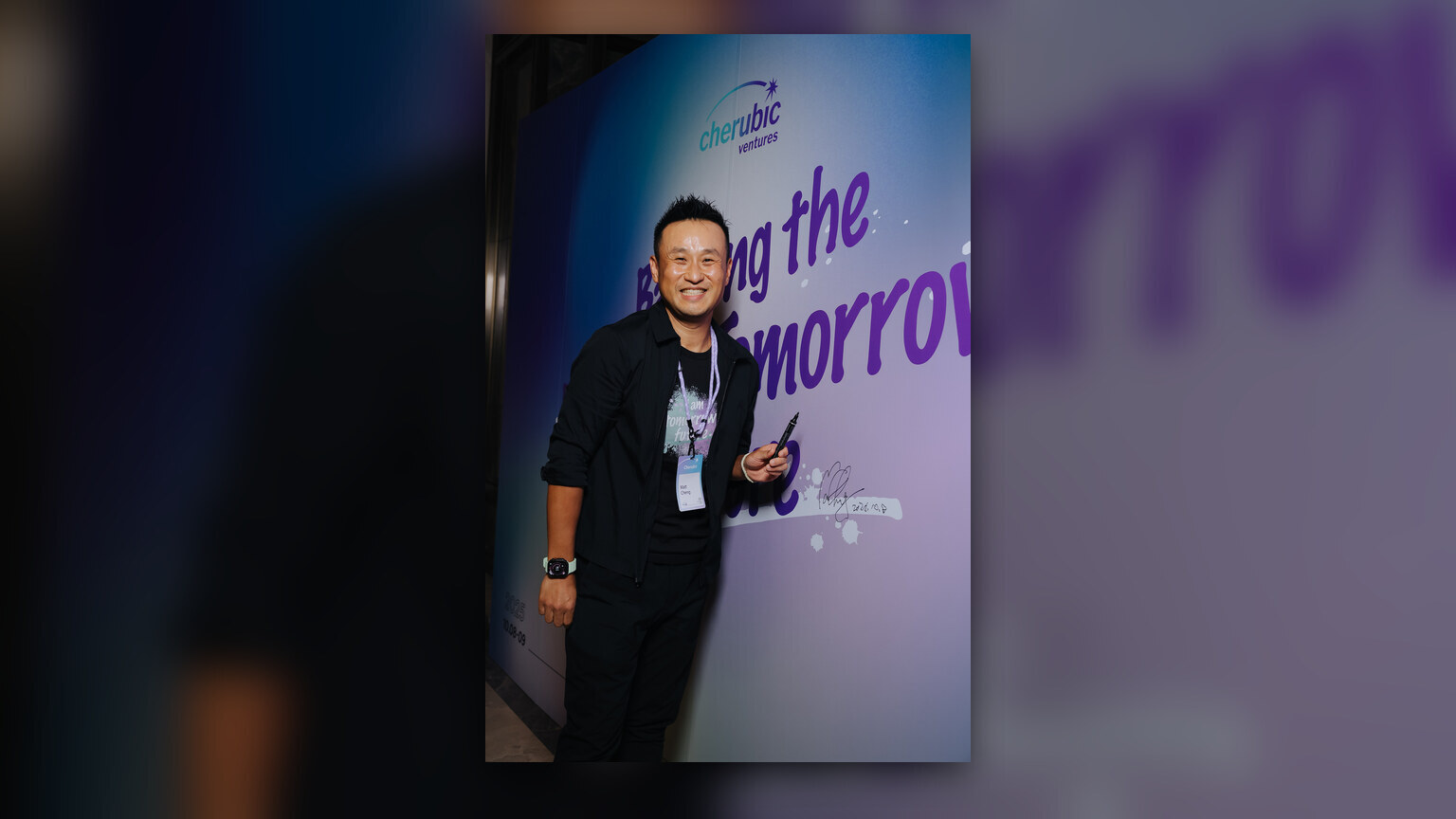
Cherubic Ventures has closed its sixth fund at $68.88 million, bringing assets under management across its funds above $500 million, the firm said in a press release.
Fund VI will invest in early stage AI native companies across infrastructure, developer tools, enterprise software, healthcare, physical AI, and robotics. Investors across the firm's six funds include global institutional investors, foundations, public companies, family offices, entrepreneurs, and individual investors.
Portfolio company Sudo AI, a robotics startup, has reached a valuation of nearly $2 billion two years after its founding. Cherubic Ventures was its earliest institutional investor.
Cherubic Ventures is also an early investor in Entire, the developer platform founded by former GitHub CEO Thomas Dohmke. Entire raised $60 million earlier this year, while Fund VI portfolio companies have raised more than $500 million in later funding.
Consider subscribing to one of our newsletters like AI Funding Brief, Enterprise AI Brief or Daily AI Brief.
Also, consider following us on social media:
Weekly report on AI business applications, enterprise software releases, automation tools, and industry implementations.


 Tensordyne
This Tensordyne whitepaper presents Napier, an inference-focused AI processor and rack-scale system based on the company’s TDN Math logarithmic number system. It examines infrastructure requirements for large mixture-of-experts and agentic models, compares major inference architecture approaches, and details the TDN AIP processor, TDN72 pod, TDN Link fabric, and Napier Ultra configuration. The paper reports simulation-based performance, cost, and accuracy-validation results, including Tensordyne’s projected comparison of one Napier rack with a nine-rack Nvidia Rubin plus Groq deployment; the chip is reported as taped out and in fabrication.
Read moreDaily AI Brief: the AI news that matters, in your inbox.