Overmind Open Sources Platform for Specialized AI Models
Oct 01, 2026
AI Development & MLOps
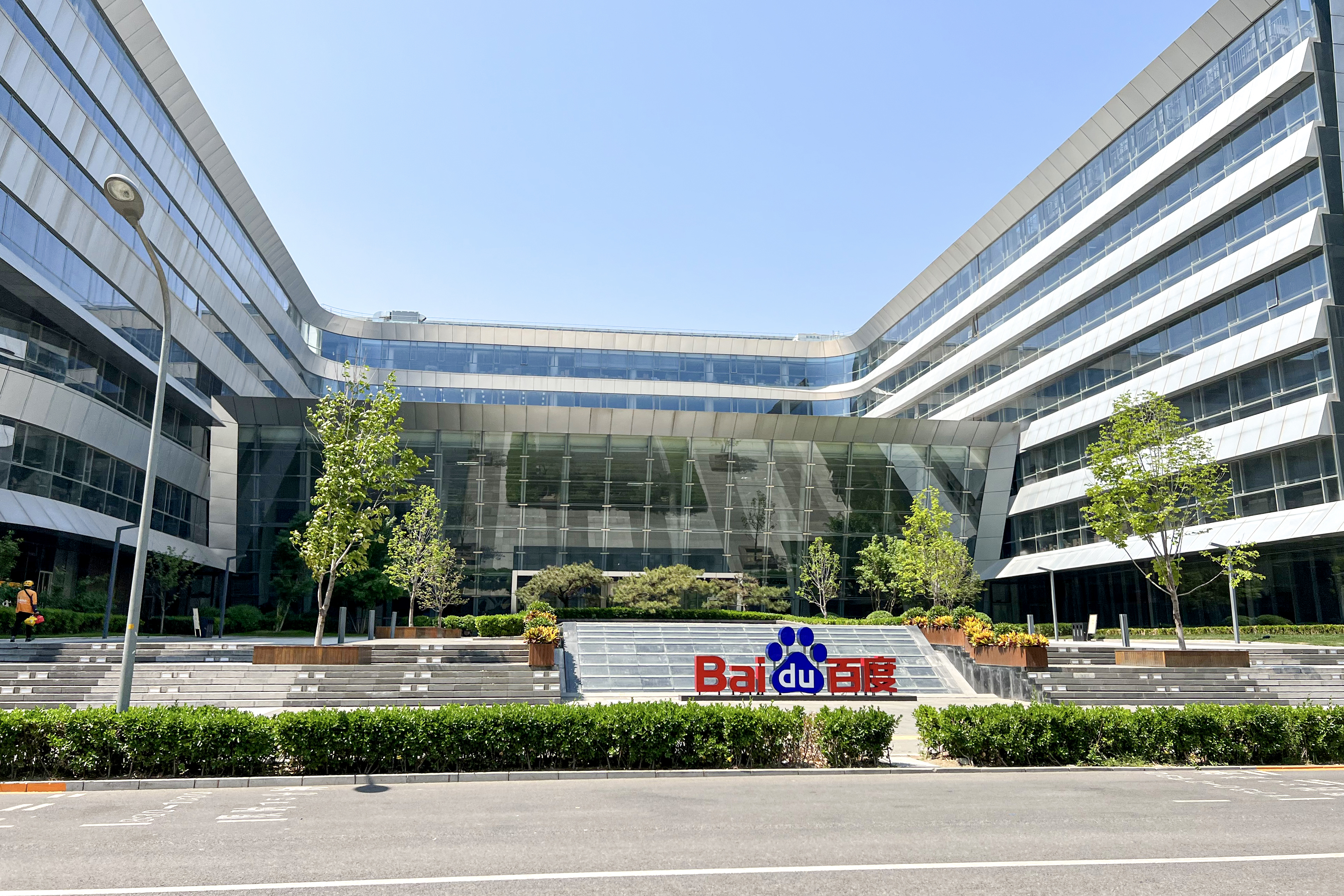
Chinese tech giant Baidu has announced a strategic shift by deciding to make its next-generation artificial intelligence model, Ernie, open-source starting June 30, 2025. This move comes as competition intensifies in the AI sector, particularly from emerging startups like DeepSeek, which offer open-source AI services at lower operational costs.
Baidu's CEO, Robin Li, who previously supported closed-source models, acknowledged the potential of open-source development to accelerate AI adoption. The decision to open-source Ernie marks a significant change in Baidu's approach, aiming to increase its market share and enhance the model's adoption.
In addition to making Ernie open-source, Baidu will also offer its AI chatbot, Ernie Bot, for free starting April 1, 2025. This decision follows the introduction of premium versions about a year and a half ago. Despite Baidu's early investment in AI following the debut of OpenAI's ChatGPT in 2022, the Ernie model has struggled to gain widespread popularity, trailing behind competitors like ByteDance's Doubao chatbot.
Baidu plans to gradually launch the Ernie 4.5 series in the coming months, with a new next-generation model, Ernie 5, expected in the second half of 2025. This strategic pivot reflects Baidu's efforts to remain competitive in the rapidly evolving AI landscape.
Consider subscribing to one of our newsletters like Daily AI Brief.
Also, consider following us on social media:
Daily report covering major AI developments and industry news, with both top stories and complete market updates


 Tensordyne
This Tensordyne whitepaper presents Napier, an inference-focused AI processor and rack-scale system based on the company’s TDN Math logarithmic number system. It examines infrastructure requirements for large mixture-of-experts and agentic models, compares major inference architecture approaches, and details the TDN AIP processor, TDN72 pod, TDN Link fabric, and Napier Ultra configuration. The paper reports simulation-based performance, cost, and accuracy-validation results, including Tensordyne’s projected comparison of one Napier rack with a nine-rack Nvidia Rubin plus Groq deployment; the chip is reported as taped out and in fabrication.
Read moreDaily AI Brief: the AI news that matters, in your inbox.