Six governments and AI labs including Anthropic, OpenAI and Microsoft sign Paris Call for AI safety and security
Nov 09, 2026
AI Safety
The United States and several allies have signed an agreement to draw up a joint list of critical technologies and supply chains behind artificial intelligence that need greater protection from China, the Financial Times reported, as summarised by Yahoo News. Japan, Australia, Israel, the United Kingdom, South Korea, India, Qatar and the United Arab Emirates signed the San Francisco Declaration on the Secure Foundations of Enduring Prosperity, according to Jacob Helberg, the US State Department's under secretary for economic affairs. Germany, Sweden, the Netherlands and the European Commission are expected to sign next week.
The declaration is part of Pax Silica, the US-led effort to secure AI supply chains, including critical minerals, The News reports. It says economic security is fundamental to national security, calls for stronger protection against theft or unauthorised transfer of technologies that could give hostile actors a military or intelligence edge, and sets up working groups on AI supply chain vulnerabilities and economic hubs to attract investment.
Helberg said the agreement would help countries identify sensitive technologies and infrastructure needed to build what President Trump has called "super intelligence." It comes days before Trump meets Chinese President Xi Jinping at the APEC summit in Shenzhen. Israel joined Pax Silica in December 2025.
Consider subscribing to one of our newsletters like AI Policy Brief, Silicon Brief or Daily AI Brief.
Also, consider following us on social media:
Weekly report on AI regulations, safety standards, government policies, and compliance requirements worldwide.
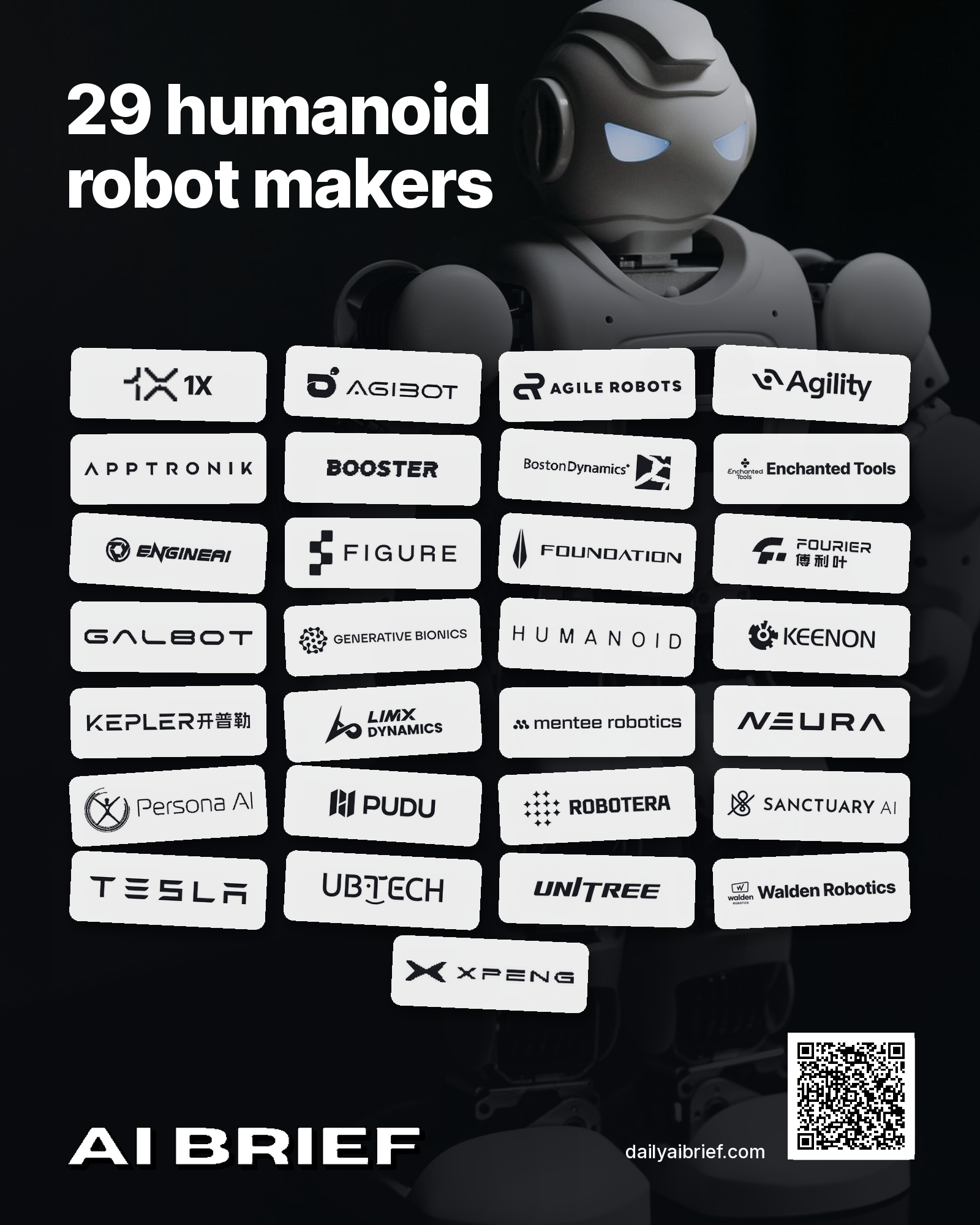
Companies building humanoid robots, from startups to Tesla and Boston Dynamics
This industry analysis by The Hackett Group explores the transformative impact of generative artificial intelligence (Gen AI) on global business services (GBS) in 2025. The study highlights the shift from exploration to acceleration of Gen AI initiatives, with 89% of executives advancing these projects to improve customer satisfaction, innovate products, and reduce costs. The report also discusses the challenges and strategies for successful Gen AI adoption, emphasizing the need for a technology-enabled operating model and the importance of reskilling the workforce.
Read moreDaily AI Brief: the AI news that matters, in your inbox.