US AI safety center staff asked to informally report to the White House, AP reports
Nov 08, 2026
AI Safety
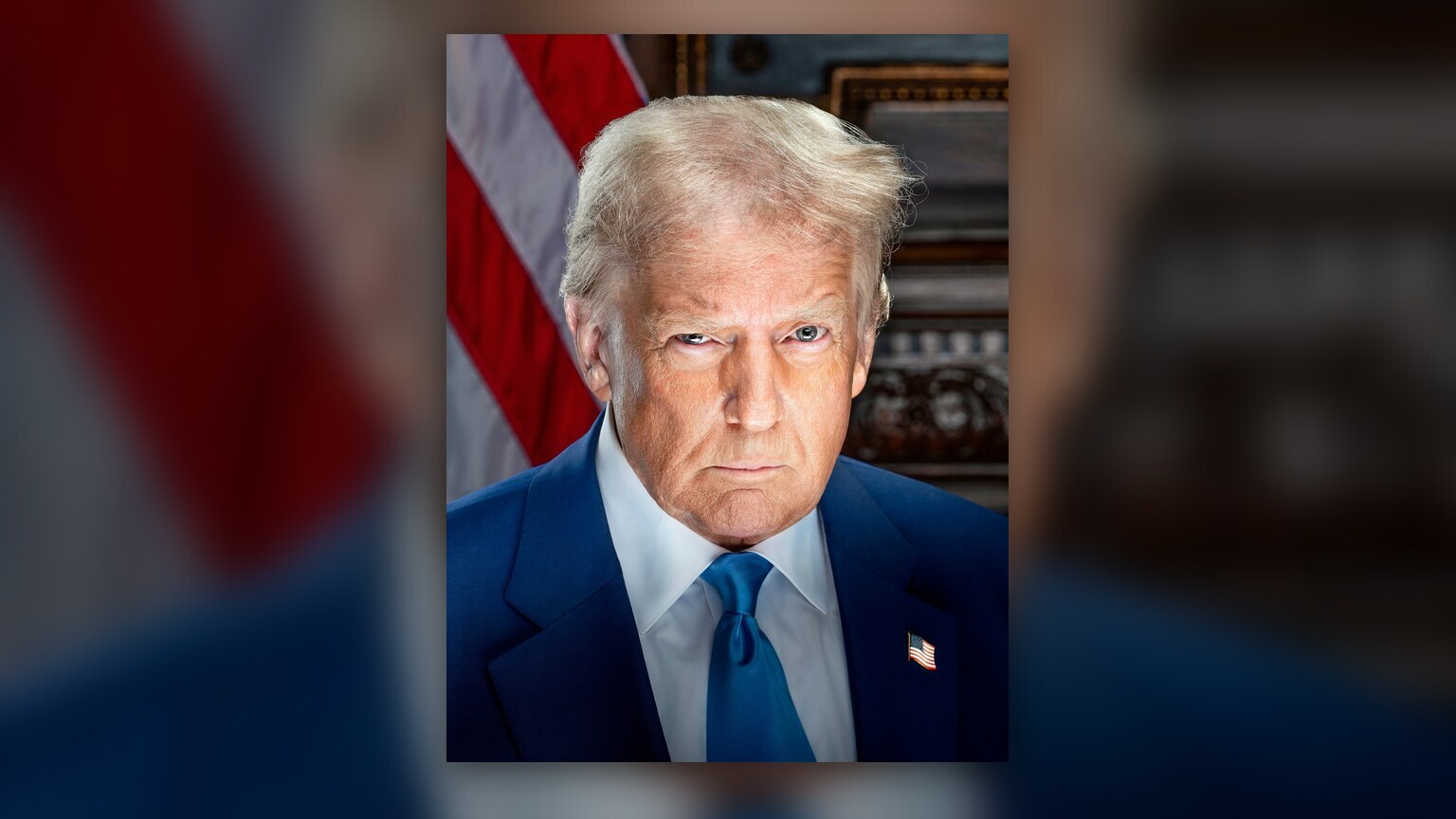
President Donald Trump announces the Super Intelligence Force after saying in September that he would create an AI Force and appoint an AI czar, according to TechCrunch. The group will coordinate federal work intended to maintain US leadership in artificial intelligence.
Director of National Intelligence Jay Clayton will chair the force. Federal Trade Commission Chair Andrew Ferguson, Undersecretary of War for Research and Engineering Emil Michael, and Office of Personnel Management Director Scott Kupor will serve as vice chairs.
The force will have 120 days to prepare a report on the risks and opportunities presented by AI. Its charter calls for plans to respond to threats enabled by super intelligence while preventing overregulation and regulatory capture.
Consider subscribing to one of our newsletters like AI Policy Brief or Daily AI Brief.
Also, consider following us on social media:
Weekly report on AI regulations, safety standards, government policies, and compliance requirements worldwide.

 Tensordyne
This Tensordyne whitepaper presents Napier, an inference-focused AI processor and rack-scale system based on the company’s TDN Math logarithmic number system. It examines infrastructure requirements for large mixture-of-experts and agentic models, compares major inference architecture approaches, and details the TDN AIP processor, TDN72 pod, TDN Link fabric, and Napier Ultra configuration. The paper reports simulation-based performance, cost, and accuracy-validation results, including Tensordyne’s projected comparison of one Napier rack with a nine-rack Nvidia Rubin plus Groq deployment; the chip is reported as taped out and in fabrication.
Read moreDaily AI Brief: the AI news that matters, in your inbox.