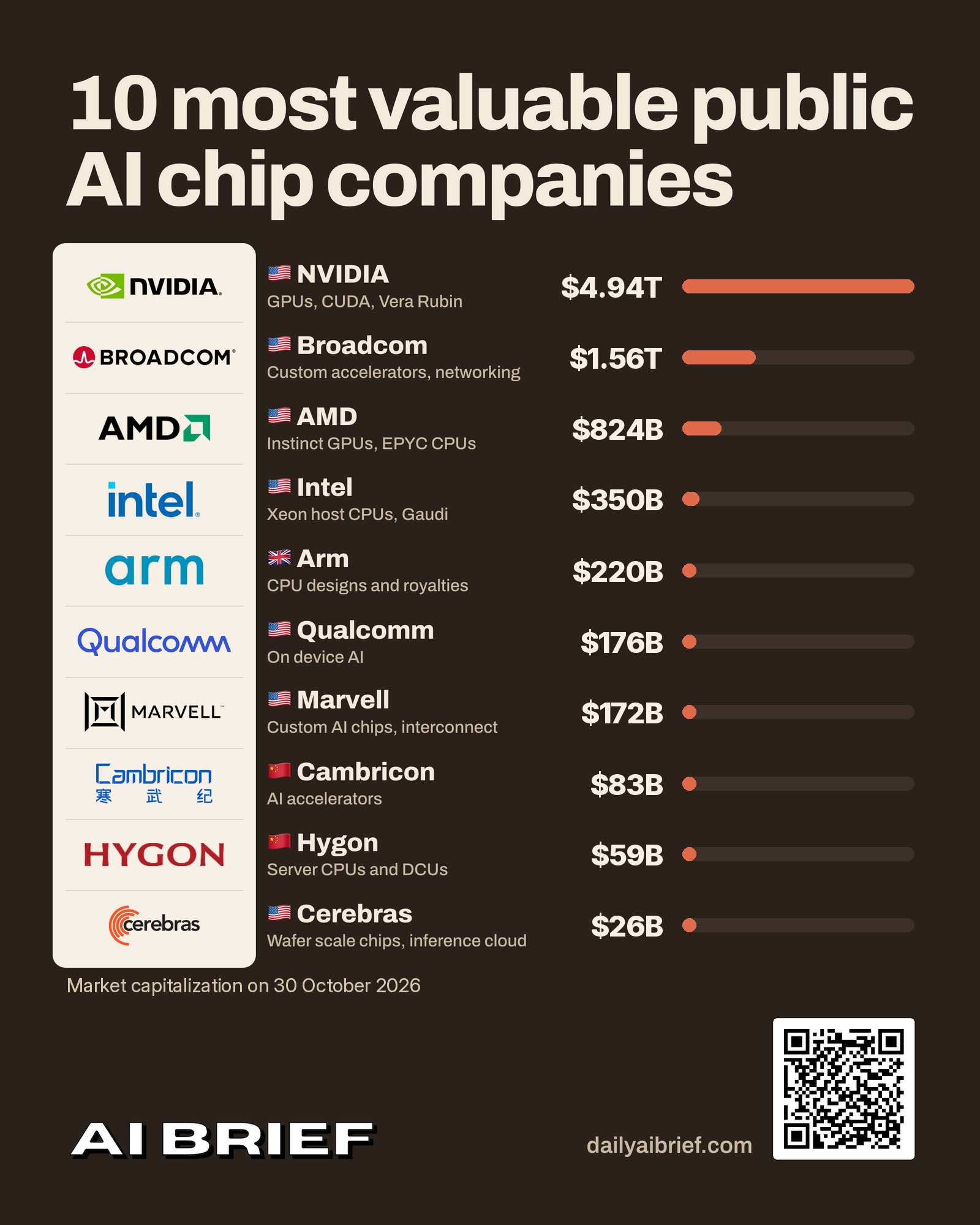
Jensen Huang says he would be honored to return as Nvidia CEO and agrees to testify to Congress
Nov 17, 2026
Chips
NVIDIA's board has reinstated Jensen Huang as president and chief executive and as a board member, effective immediately, the company announced. The board voted unanimously after a series of meetings with Huang, after which it said it was satisfied with his candor and ability to lead the company.
The board said it received input from senior levels of the US government and, based on that input, is confident that Huang's return poses no national security risk. Huang stepped down earlier this month amid an investigation into reports that he had been the target of a foreign intelligence effort, and CFO Colette Kress served as interim CEO. A committee of independent directors, with independent counsel, will still take its investigation to a conclusion, and Huang says he supports it and will cooperate.
"I am honored to return to NVIDIA and lead one of the most consequential technology companies in the world at the beginning of a new industrial revolution," Huang said. Chair Harvey C. Jones called him "the right person to lead NVIDIA" and thanked Kress, who continues as CFO.
NVIDIA also pointed to its new National Security and Export Control Committee of independent directors, which is hiring counsel with national security experience, and said it is starting a search for a new Chief Compliance Officer.
Consider subscribing to one of our newsletters like Silicon Brief or Daily AI Brief.
Also, consider following us on social media:
Weekly coverage of AI hardware developments including chips, GPUs, cloud platforms, and data center technology.

 Tensordyne
This Tensordyne whitepaper presents Napier, an inference-focused AI processor and rack-scale system based on the company’s TDN Math logarithmic number system. It examines infrastructure requirements for large mixture-of-experts and agentic models, compares major inference architecture approaches, and details the TDN AIP processor, TDN72 pod, TDN Link fabric, and Napier Ultra configuration. The paper reports simulation-based performance, cost, and accuracy-validation results, including Tensordyne’s projected comparison of one Napier rack with a nine-rack Nvidia Rubin plus Groq deployment; the chip is reported as taped out and in fabrication.
Read moreDaily AI Brief: the AI news that matters, in your inbox.