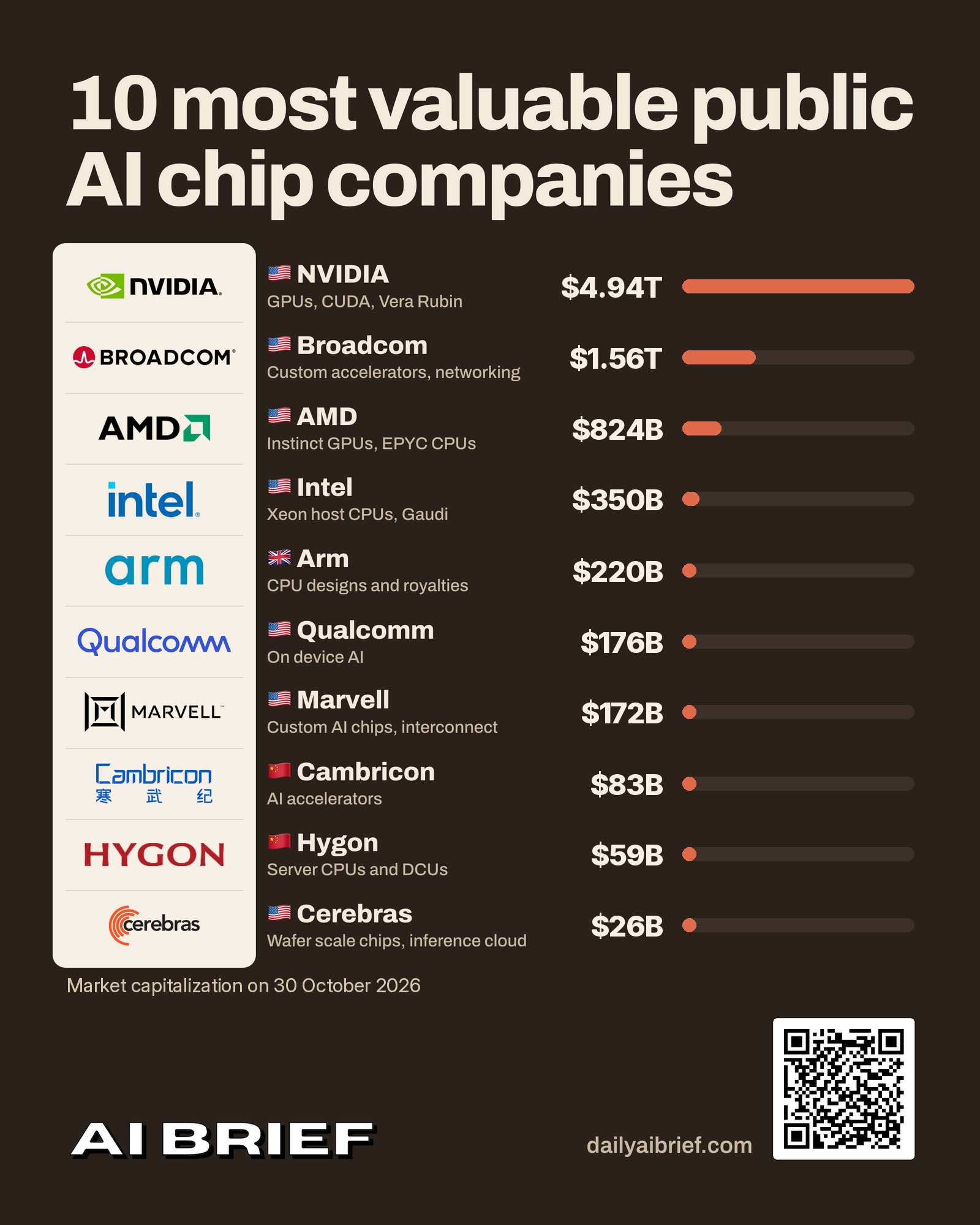
Nvidia board creates national security and export control oversight committee after Huang's exit
Nov 17, 2026
Chips
Nvidia will no longer sell its H200 chips in China, interim CEO Colette Kress said on the company's first earnings call since Jensen Huang's resignation, TechCrunch reports. The decision ends Nvidia's use of a controversial exception to the US ban on selling advanced chips to China.
The H200 arrangement was brokered by Huang and President Donald Trump. It required the chips to be shipped through the US so the government could collect a 25% tariff, which angered China hawks. Even before the decision, China had largely refused to accept deliveries, preferring to build demand for its own chip industry.
On the same day, Nvidia's board created a National Security and Export Control Oversight Committee, chaired by director Suzanne Nora Johnson, with Stephen C. Neal and John O. Dabiri as members. Nvidia's national security and global trade compliance teams will report to it and to Kress, and it will work with outside experts in law, national security and trade compliance.
The moves follow new US rules, issued Monday, that bar advanced US chips from foreign data centres serving Chinese customers remotely, which Chinese AI firms had been racing to get ahead of. Beijing has called those rules "economic coercion" ahead of a meeting between Trump and Xi Jinping this week, the BBC reports. Jefferies forecast the rules could trim $44 billion to $62 billion from Nvidia's data centre revenue next year, but Kress said the backlog of demand for chips such as Vera Rubin means no impact on top-line revenue. Huang resigned last week partly over an affair with an executive of a company under investigation for smuggling chips into China, according to TechCrunch.
Consider subscribing to one of our newsletters like Silicon Brief or Daily AI Brief.
Also, consider following us on social media:
Weekly coverage of AI hardware developments including chips, GPUs, cloud platforms, and data center technology.
This industry analysis by The Hackett Group explores the transformative impact of generative artificial intelligence (Gen AI) on global business services (GBS) in 2025. The study highlights the shift from exploration to acceleration of Gen AI initiatives, with 89% of executives advancing these projects to improve customer satisfaction, innovate products, and reduce costs. The report also discusses the challenges and strategies for successful Gen AI adoption, emphasizing the need for a technology-enabled operating model and the importance of reskilling the workforce.
Read moreDaily AI Brief: the AI news that matters, in your inbox.