
EU ban on AI nudify apps and sexual deepfakes applies from 2 December
The AI Omnibus added the prohibition to the AI Act; fines for prohibited practices reach €35 million or 7% of global turnover.
29 Nov 2026
The EU's ban on AI systems that generate non-consensual sexual deepfakes and child sexual abuse material, such as AI "nudification" apps, applies from Wednesday, 2 December. The prohibition was added to the AI Act by the AI Omnibus amendments, the European Commission's AI Act page says. It joins the eight prohibited practices that took effect in February 2025.
AI Policy Brief covers stories like this, every Tuesday. Free.
According to the text quoted by Startup Fortune, the ban covers realistic images, video, audio or similar material showing an identifiable person's intimate parts or that person in sexually explicit activity without explicit consent. Providers are caught if producing such material is their system's intended purpose, or if it is a reasonably foreseeable and reproducible result of the system's design and they lack adequate safeguards to reliably prevent it.
The rules apply to providers whose systems are used in the EU, wherever they are based, and products already on sale get no transition period. Fines for prohibited practices reach €35 million or 7% of worldwide annual turnover. On the same day, a transition period ends for certain providers of generative AI systems placed on the market before 2 August 2026 to comply with the Act's Article 50(2) on synthetic content, according to the Commission's AI Act Service Desk.
Where this comes from
digital-strategy.ec.europa.eu AI Act ai-act-service-desk.ec.europa.eu Timeline for the Implementation of the EU AI Act startupfortune.com EU AI nudify app ban puts image model safeguards to the test on December 2In this story
More from Regulation
Nov 29 UK Treasury plans Agentic Policy Sprint on rules for AI payment agents Nov 29 Comet users sue Perplexity, saying its browsing-history switch did nothing Nov 28 German social courts report case surge partly blamed on AI-written complaints Nov 28 Anthropic's $1.5 billion settlement starts paying authors about $2,203 per work Nov 28 UK MPs ask Anthropic for the unredacted METR report on its AI research speedMarket report
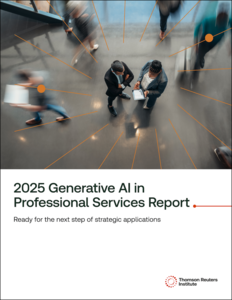
2025 Generative AI in Professional Services Report
 Thomson Reuters
This report by Thomson Reuters explores the integration and impact of generative AI technologies, such as ChatGPT and Microsoft Copilot, within the professional services sector. It highlights the growing adoption of GenAI tools across industries like legal, tax, accounting, and government, and discusses the challenges and opportunities these technologies present. The report also examines professionals' perceptions of GenAI and the need for strategic integration to maximize its value.
Read moreYou may also like
EU Digital Fairness Act Proposal Gives Consumers Rights When AI Agents Shop for Them 11 Nov 2026 Irish parliament's AI committee calls for independent testing of high-risk AI and default-off recommendations for children 10 Nov 2026 EU consults on DSA election guidelines that would have platforms label deepfakes and test recommender systems before votes 10 Nov 2026 EU seeks feedback on draft AI Act fundamental rights impact assessment template 16 Nov 2026 EU DisinfoLab: many EU states still lack watchdogs for the AI Act and DSA 12 Nov 2026 Online safety regulators adopt joint position on AI-generated child abuse imagery 27 Nov 2026Daily AI Brief: the AI news that matters, in your inbox.