US AI safety center staff asked to informally report to the White House, AP reports
Nov 08, 2026
AI Safety
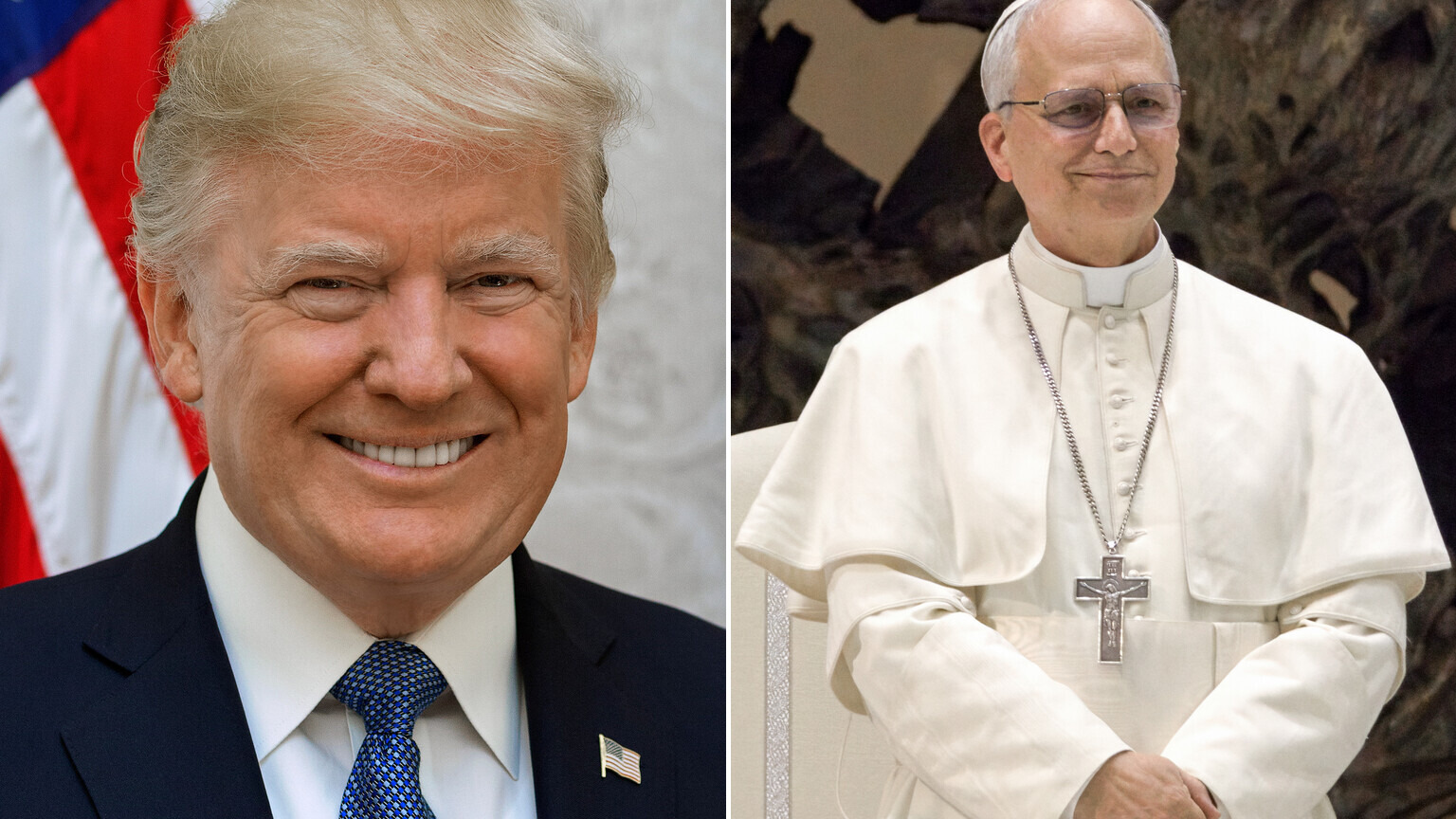
Pope Leo XIV said concerns about artificial intelligence going rogue are not fake news and require discussion and action, the Associated Press reports. His comments contradict President Donald Trump, who has called such concerns a hoax and opposed restrictions that could slow United States progress against China.
Leo said he was not in panic mode but that warnings from AI experts should be taken seriously. His comments follow his May encyclical calling for AI regulation and ethical oversight.
The pope called for political leaders, AI companies and social organizations to examine current and future risks. He said a Vatican commission is supporting research and talks intended to prevent AI from harming humanity or removing people from decision making.
Consider subscribing to one of our newsletters like AI Policy Brief or Daily AI Brief.
Also, consider following us on social media:
Weekly report on AI regulations, safety standards, government policies, and compliance requirements worldwide.

Companies building humanoid robots, from startups to Tesla and Boston Dynamics

 Tensordyne
This Tensordyne whitepaper presents Napier, an inference-focused AI processor and rack-scale system based on the company’s TDN Math logarithmic number system. It examines infrastructure requirements for large mixture-of-experts and agentic models, compares major inference architecture approaches, and details the TDN AIP processor, TDN72 pod, TDN Link fabric, and Napier Ultra configuration. The paper reports simulation-based performance, cost, and accuracy-validation results, including Tensordyne’s projected comparison of one Napier rack with a nine-rack Nvidia Rubin plus Groq deployment; the chip is reported as taped out and in fabrication.
Read moreDaily AI Brief: the AI news that matters, in your inbox.